
CBP Seized Your Cash at the Airport? What Solo or Group Travelers Need to Know
Imagine leaving from or arriving at Miami International Airport or another U.S. port of entry with a large sum of cash, maybe proceeds from a legal transaction you need to deposit, or savings you’re moving as part of international travel, only to be stopped by a U.S. Customs and Border Protection (CBP) officer who tells you your money is going to be seized. This happens more often than most travelers realize, and it can be a shock when all you get in response is a receipt and a brief explanation about “failure to declare.” In reality, the process is technical, the deadlines are strict, and the consequences can be permanent if you don’t understand your rights and obligations.
If CBP seized your money while you were entering or leaving the United States, whether at Miami International Airport or another major international hub, it’s essential to understand exactly how the system works, what your reporting obligations are, and what steps you need to take next to preserve your rights.
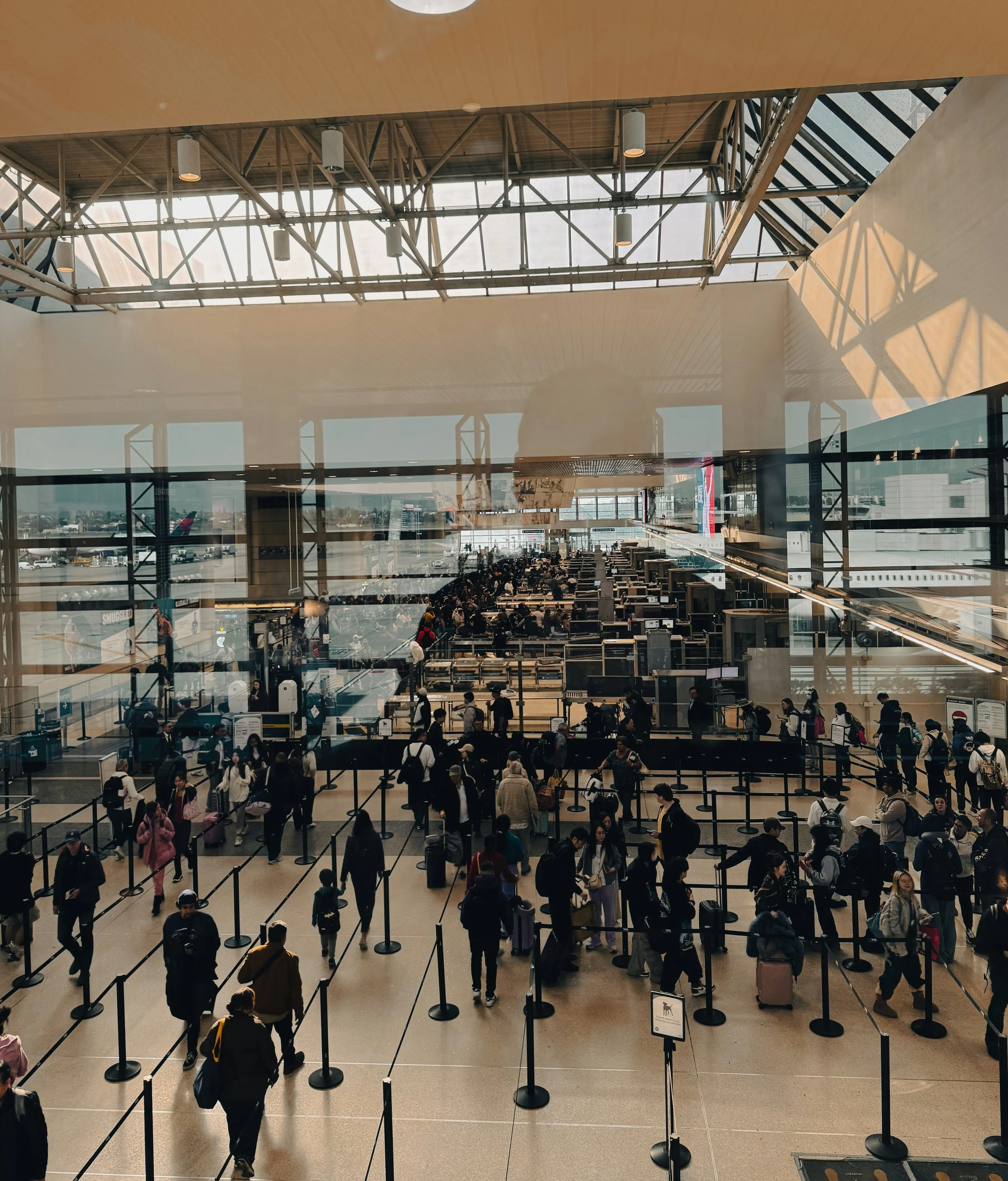
In this article, we discuss how U.S. Customs and Border Protection (CBP) enforces federal cash reporting requirements at U.S. ports of entry, why lawful funds are sometimes seized at the airport, and what typically happens after a seizure occurs. We explain the declaration rules, common misconceptions that lead to forfeiture, the Notice of Seizure process, and the response options available under federal law, with particular attention to the strict deadlines and procedural risks involved.
This article is intended to provide general information about CBP forfeiture procedures and does not constitute legal advice for any specific situation.
There’s No Limit on How Much Cash You Can Carry Across U.S. Borders — But You Must Declare It
Federal law does not prohibit travelers from transporting large sums of cash across U.S. borders. You can carry as much money or monetary instruments as you want into or out of the country. What you must do under 31 U.S.C. § 5316 is declare any amounts over $10,000 to U.S. Customs and Border Protection when you are arriving or departing.
“Monetary instruments” for these purposes include not only U.S. currency, but also foreign currency, traveler’s checks, bearer negotiable instruments, and certain other forms of money.
The way to make this declaration is by completing the Report of International Transportation of Currency or Monetary Instruments (FinCEN Form 105). This can be done in advance online, printed and presented to a CBP officer, or completed with the officer at the port of entry or departure. There is no cost to file the form, and accurately completing it protects your money and helps you avoid seizure.
Why Failing to Declare Cash Can Lead to CBP Seizure and Forfeiture
You might be thinking:
“If it’s legal to carry the cash, why all the fuss?”
The law treats undeclared cash over $10,000 as a red flag because large quantities of unreported currency can be associated with money laundering, bulk cash smuggling, and other serious offenses. For this reason, CBP actively enforces the reporting requirement, and failure to properly declare can lead to civil forfeiture of the entire amount, even if the cash was entirely lawful.
The simplest and most common cause of a seizure is the failure to file a FinCEN Form 105 when required. Whether you forgot, miscounted your cash, or tried to avoid paperwork, the result can be the same: CBP takes custody of the funds and begins forfeiture proceedings. This is also something to consider when traveling as a group. One detail that trips up many travelers is how CBP counts cash when people travel in groups. It’s not enough that each individual carries less than $10,000. If you are traveling together, family members, spouses, friends, or even unrelated companions, CBP may view the group as a single economic unit and aggregate everyone’s cash to determine if reporting should have been made.
In practice this means:
“If three people are traveling together and each has $7,000 in cash, CBP could treat that as $21,000 carried by the group. If that total was not properly reported, using FinCEN Form 105, the entire combined amount may be seized. This is one of the most common misconceptions travelers have and one of the most frequent reasons people lose money at the airport.”
What Happens When CBP Seizes Your Cash at the Airport
If CBP believes that you have failed to comply with the reporting requirement, officers may stop you for additional questioning, ask about the source and intended use of the cash, and if they determine the reporting requirement was violated, they will seize the funds. In many cases, travelers are not arrested or charged with a crime, the seizure action itself is a civil matter, not a criminal one.
CBP should provide you with a seizure receipt at the airport, often called a “Custody Receipt for Seized Property and Evidence” (Form 6051S), which identifies the amount seized, your name, and the location of the seizure. Make sure you keep this receipt, it will be crucial for any effort to recover your funds.
Travelers may be told that more information will come later by mail; that mailing is typically the Notice of Seizure. It is worth noting that CBP forfeiture actions are handled administratively at first, but they often involve coordination with other federal agencies and review by attorneys trained specifically in forfeiture law. Understanding how these cases are evaluated internally can matter just as much as the facts surrounding the seizure.
The CBP Notice of Seizure: Deadlines, Response Options, and Why it Matters
About 60–90 days after the seizure, CBP sends a formal Notice of Seizure. This document is the centerpiece of the civil forfeiture process. It explains why the property was seized, outlines your legal options, and most critically, sets a strict deadline (usually 30 days from the notice date) for you to act. If you do not respond by that deadline, CBP can pursue administrative forfeiture and retain the funds permanently.
Your response options typically include:
Filing a petition for remission or mitigation, asking CBP to return some or all of the seized funds as a matter of administrative discretion, but the way facts are presented and concessions are framed can affect whether the agency views the case as appropriate for relief and may limit how the seizure can later be challenged.
Submitting an offer in compromise, proposing a negotiated resolution of the forfeiture, but submitting one may be treated as an acknowledgment of forfeiture exposure and can permanently resolve the matter on terms that may not be reversible once accepted.
Abandoning the property, resulting in the government retaining the seized funds without further review and should be approached with caution, as it generally forecloses any opportunity to contest the seizure or seek recovery later; or
Filing a judicial claim that forces the government to file a forfeiture complaint in federal court, where procedural rules, evidentiary standards, and litigation deadlines apply. This path can offer greater protections, but it also carries risks if not handled correctly, including dismissal for technical defects that have nothing to do with the legality of the funds themselves.
Each of these responses triggers a different legal pathway, different evidentiary standards, and different risks. For example, some options waive your right to later challenge the seizure in federal court, while others expose you to strict procedural rules that, if missed, can result in dismissal regardless of the merits.
This is one of the most common points where well-intentioned travelers make irreversible mistakes, not because their money was unlawful, but because the forfeiture process is unforgiving when a case is better positioned for court rather than administrative review.
Moreover, failing to act within the deadline generally results in the funds being forfeited by default, even if the source of the money was entirely lawful and documented. For many travelers, this deadline is the single most important aspect of the entire process.
Practical Tips for Solo and Group Travelers During Inspection
Some everyday mistakes can turn a safe trip into a seizure nightmare. Here’s how to avoid them:
Plan ahead and declare early. If you’ll be carrying more than $10,000, complete FinCEN Form 105 before arriving at the airport or as soon as you’re asked by a CBP officer. This protects you even if travel delays occur.
Be transparent and consistent. When asked by CBP officers, report truthfully and consistently about the total amount of cash you’re carrying. Mismatched verbal and written declarations can trigger a more intensive inspection.
Keep documentation ready. If the cash comes from a legitimate source, like the sale of property, business proceeds, savings, have documentation on hand. This won’t guarantee the funds aren’t seized, but it strengthens your position in the aftermath.
Avoid assumptions about group carry limits. Do not assume that because each person carries less than $10,000 there is nothing to declare, CBP may aggregate group totals.
Follow officer instructions calmly. Being cooperative and respectful can make the process less stressful and ensure you receive proper paperwork.
Why Legal Guidance Matters in CBP Cash Seizure and Forfeiture Cases.
Even when cash is lawfully earned and fully documented, responding to a Notice of Seizure and navigating the civil forfeiture process is complex. Administrative procedures must be followed to the letter, and deadlines are unforgiving. Legal counsel can help you determine the best response option and prepare your petition, mitigating the risk of forfeiture. Attorneys who regularly handle federal forfeiture matters understand how CBP evaluates petitions, how deadlines are enforced, and when a case is better positioned for court rather than administrative review If CBP has seized your cash at the airport, do not assume the situation will resolve itself. The civil forfeiture system moves quickly, the deadlines are precise, and failing to respond effectively almost always results in loss of the funds. The difference between recovering your property and losing it forever often comes down to timely, informed action.
What many travelers do not realize is that CBP forfeiture cases are often decided less on what happened at the airport and more on how the response is structured after the seizure. Arguments that seem reasonable to a layperson, such as explaining where the money came from, can be legally irrelevant if raised in the wrong forum or at the wrong stage of the process.
Don’t ignore a CBP seizure notice. If you or someone you know has received a CBP seizure receipt or Notice of Seizure, a short delay or misstep at this stage can make the difference between recovering your property and losing it permanently. Federal forfeiture matters can be complex, and timely, informed action is critical. Representation is available for clients in all 50 states. Speaking with counsel early can help ensure that deadlines are met and that your response preserves, rather than limits, your legal options. Schedule a free consultation today to understand your rights and the steps you can take.
Frequently Asked Questions (FAQs):
-
CBP can seize cash under civil forfeiture laws if it believes you failed to properly report amounts over $10,000. You receive a seizure receipt and later a Notice of Seizure explaining how to contest it. If you do not respond, the money can be forfeited permanently.
-
No. You can travel with any amount, but federal law requires that amounts over $10,000 be declared to a CBP officer using FinCEN Form 105.
-
CBP may aggregate funds carried by a group when it believes the money is jointly owned, controlled, or intended for a common purpose, potentially triggering reporting obligations even if individuals carry amounts under $10,000.
-
There is no guaranteed way to prevent aggregation. Being fully transparent and properly reporting all amounts with FinCEN Form 105 is the safest approach.
-
FinCEN Form 105 is the Report of International Transportation of Currency or Monetary Instruments required by law to declare amounts over $10,000 when entering or leaving the U.S.
-
A Notice of Seizure is a formal letter from CBP explaining why property was seized and outlining your legal options and deadlines for response.
-
Yes. CBP can seize cash regardless of how it was acquired if it believes the reporting requirements were violated.
-
Legal counsel is not required, but the process is complex and timesensitive. An attorney can help ensure filings are timely and arguments are properly presented.
-
A cash seizure itself does not automatically affect immigration status, but statements made during the seizure and unresolved forfeiture issues can be reviewed by immigration authorities later.
-
Yes. Travelers can complete FinCEN Form 105 online before arriving at the airport and then present it to a CBP officer to comply with reporting requirements.
This article is intended for informational purposes only and does not constitute legal advice. The content herein is not a substitute for obtaining legal advice from a qualified attorney licensed in the appropriate jurisdiction. Viewing or relying upon this information does not create an attorney-client relationship. Readers should consult with legal counsel regarding their individual circumstances before taking any action based on this material.
