

Commercial Contracts
At Imperial Shield, our commercial contracts practice is closely integrated with our international trade, regulatory compliance, intellectual property, and business-risk practices. We help businesses structure and review agreements with an understanding of the regulatory and operational issues that can arise when goods, services, intellectual property, payments, and business relationships cross borders.
Our contract work includes agreements arising from international and cross-border trade, supply-chain and logistics arrangements, vendor and distribution relationships, intellectual property matters, and other commercial contracts. We focus on identifying legal and operational risks before they become disputes while ensuring that contractual terms are aligned with our clients’ business objectives and regulatory obligations.
Because business relationships evolve, contracts often require ongoing review and modification. We assist clients with new agreements, amendments, renewals, and evolving business arrangements, providing counsel as their operations, markets, and regulatory obligations change.
When a contractual dispute arises, we help clients evaluate their rights and obligations and pursue an appropriate resolution strategy, whether through negotiation, mediation, arbitration, or litigation. Where a dispute involves international trade, supply chains, intellectual property, regulatory compliance, or cross-border transactions, our broader practice allows us to address the contractual and regulatory issues together.
Our Services
-

Supply Agreements
If a supplier provides inaccurate information about where goods were made or how they were sourced, the parties involved in the transaction may face delays, additional duties, penalties, or other consequences at the border. We review, draft and negotiate supply agreements so that responsibility for origin, documentation and compliance is clearly addressed.
-
Distributor Agreements
A distributor that resells into restricted markets or to restricted parties can expose the supplier and other parties involved in the transaction to sanctions and export-control risk. We review, draft and negotiate distribution agreements with those risks in mind.
-

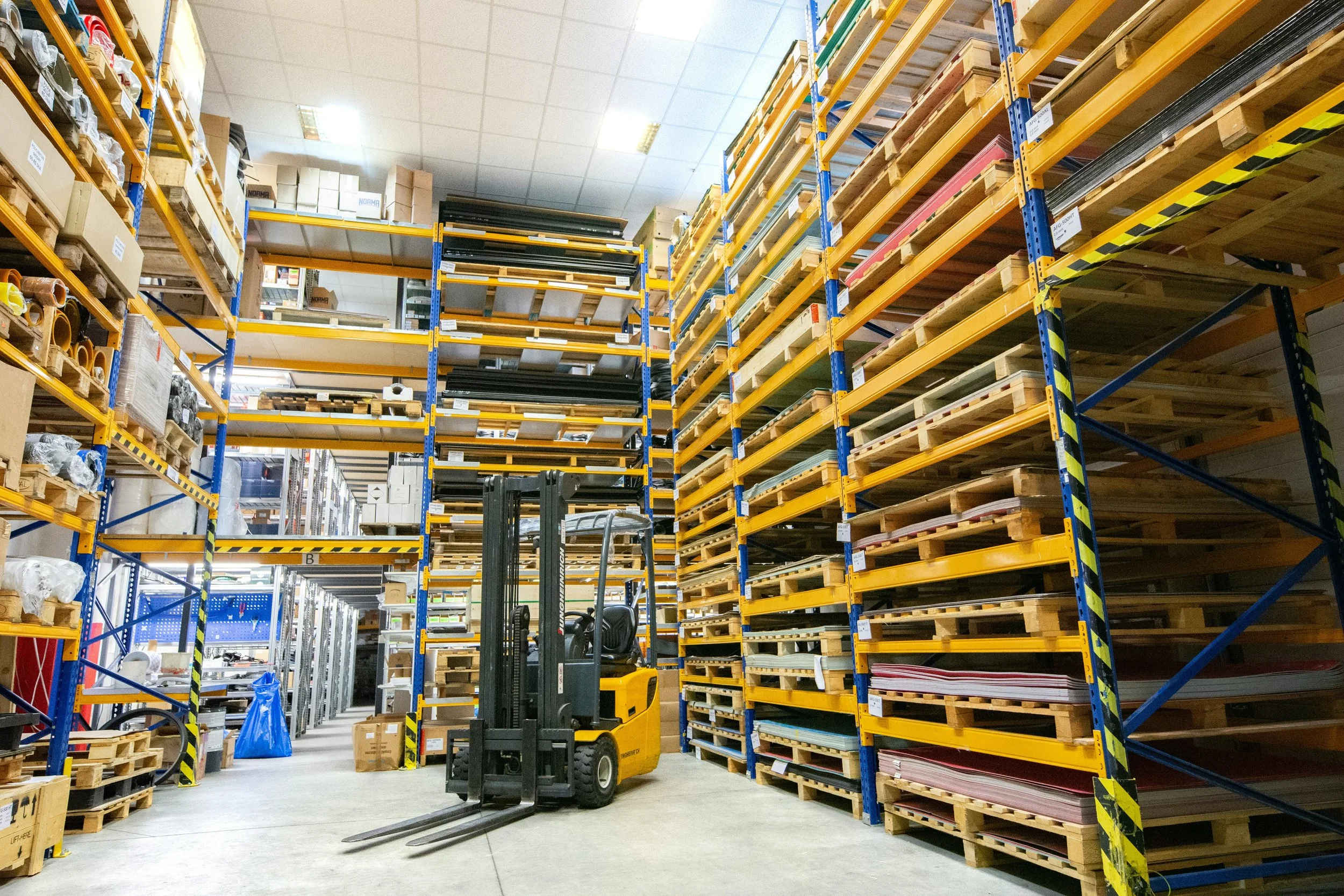
Warehouse Agreements
Changes in materials or production location can affect a product's origin, tariff treatment and labeling. Sharing certain controlled technical information with a manufacturer abroad may also trigger export-licensing requirements. We review, draft and negotiate manufacturing agreements that address these issues.
-
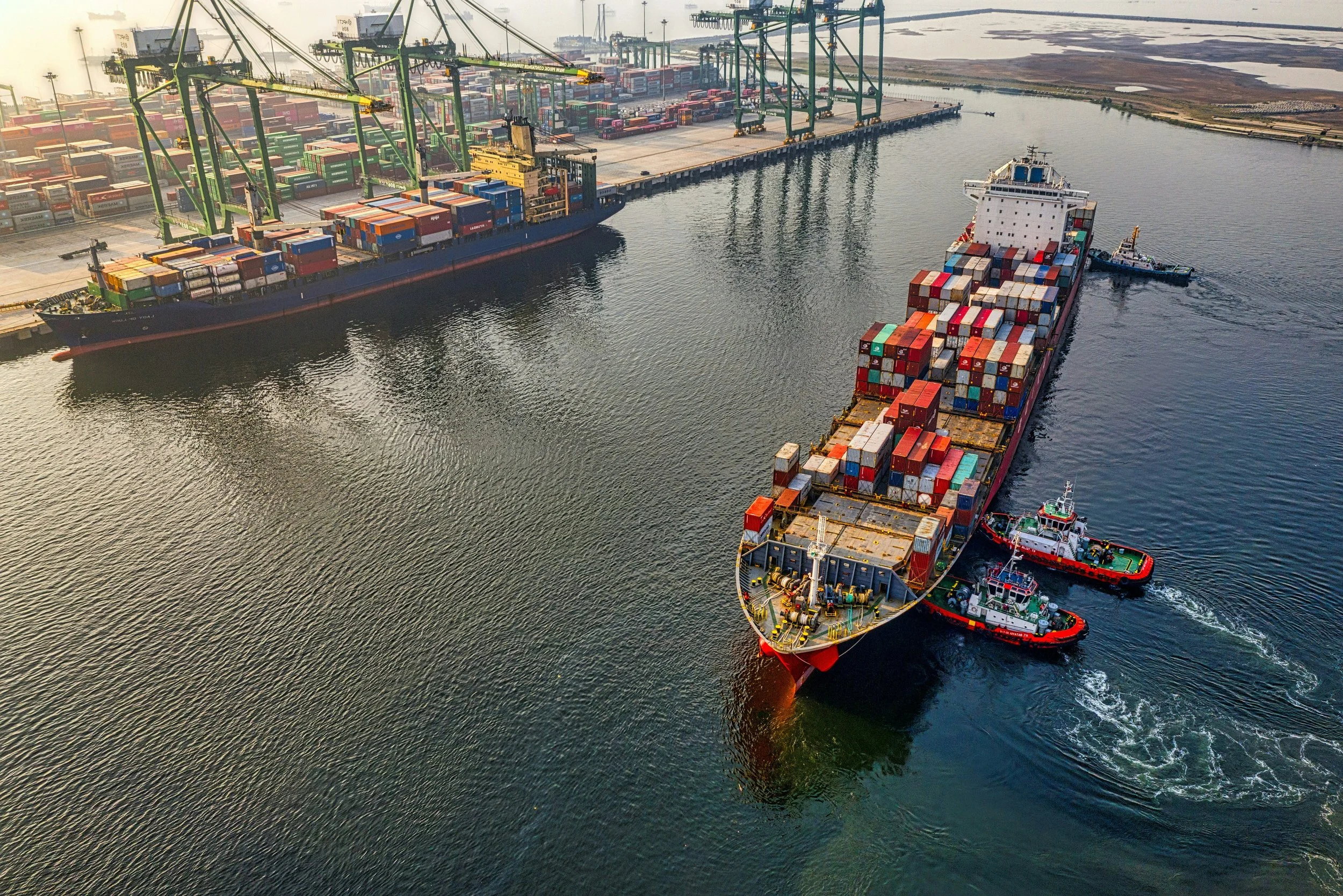
Freight Forwarder Agreements
Forwarders' standard terms often limit their liability, while errors or omissions in customs or export filings can expose the businesses involved in the transaction to penalties or other enforcement consequences. We review freight-forwarder terms, explain the allocation of responsibilities and liabilities, and negotiate changes where appropriate.
-

Warehouse Agreements
Errors in how inventory is received, tracked, transferred, or released from a bonded facility or Foreign-Trade Zone can create customs compliance issues, duty exposure, and potential penalties. We review and negotiate warehouse agreements with attention to customs obligations and the client’s rights in its goods.
-

Customs Broker Agreements
The importer generally remains responsible for the accuracy and completeness of its customs declarations, even when a customs broker is involved. We review broker agreements and powers of attorney, explain the respective responsibilities of the importer and broker, and negotiate terms where appropriate.
-

Agency Agreements
Under the Foreign Corrupt Practices Act (“FCPA”), payments or other improper conduct involving agents and other third parties can create significant risk for the companies that engage them. We review, draft and negotiate agency agreements, and advise on compliance measures to consider before engaging an agent.
-

Employment and Independent Contractor Agreements
Providing certain controlled technology or technical data to a foreign person, even within the United States, may constitute a deemed export and trigger export-licensing requirements. We review and draft employment and independent contractor agreements that address export-control, confidentiality, intellectual property, and compliance obligations.
-

Leases and Rental Agreements
In certain circumstances, property used in connection with unlawful activity may become subject to seizure or forfeiture, creating significant concerns for property owners and lessors. We review, draft and negotiate leases with these issues in mind and advise property owners whose property is threatened with or may be subject to seizure or forfeiture.
-
-

Contract Dispute Resolution
Contract disputes can become particularly complex when they involve international transactions, supply chains, intellectual property, regulated goods, or cross-border business relationships. Imperial Shield helps clients assess contractual rights and obligations, develop resolution strategies, and pursue efficient outcomes.
-
FAQs
-
It’s a good idea. A lawyer can make sure the contract protects your interests and follows the law. Even simple contracts can cause problems later if they’re not written clearly or miss key terms.
-
Any contract involving money, services, business relationships, or long-term commitments—like leases, vendor agreements, partnership deals, or purchase orders—should be reviewed. If it matters to your business, it’s worth checking.
-
Templates can be a helpful starting point, but they’re not one-size-fits-all. A lawyer can tailor the language to your situation and make sure important protections (like liability limits or dispute terms) are included.
-
You could end up locked into a bad deal, face unexpected costs, or miss chances to protect yourself. Some contracts may also be legally unenforceable if not written properly.
-
AI tools can help you understand contract language or generate basic drafts, but they’re not a substitute for legal advice. AI can miss key legal nuances, state-specific requirements, or strategic issues a lawyer would catch. If the contract is important or complex, it’s best to have a human attorney involved.
-
Costs can vary depending on the contract’s complexity. Some lawyers charge a flat fee for review, while others bill by the hour. It’s often much cheaper than dealing with a dispute later.
-
Gather all the details—like what the deal is about, who’s involved, and any terms you’ve already discussed. This helps the lawyer understand your goals and give better advice.
-
Before you hit “sign” ask yourself:
Do I fully understand the terms?
Is this template really protecting me?
What if this goes wrong?
AI tools and templates can help—but they’re no match for legal advice. A lawyer can catch what AI misses, tailor the contract, and protect your business.
Contract reviews are often quick and affordable—and way cheaper than fixing a bad deal later.
If it involves money, commitments, or partnerships, get it reviewed. Your future self will thank you.
Many contract matters for businesses engaged in international trade intersect with federal regulatory obligations. Visit our Trade Compliance & Enforcement page to learn how we help companies stay ahead of enforcement risk.