
Most importers spend their attention on the goods inside a container, not the pallets underneath them. But the wooden crates and bracing that hold a shipment together are regulated just as closely as the cargo itself. If that wood isn't treated and marked the right way, U.S. Customs and Border Protection (“CBP”) can refuse the entire shipment and issue a penalty based on the value of everything on board.
Wood packaging material is regulated because untreated wood can carry invasive insects that destroy forests and crops. The international standard that governs it, known as ISPM 15, has been in place for more than two decades, yet violations keep turning up at U.S. ports, including the Port of Miami. A single noncompliant pallet can turn a routine shipment into weeks of delay and a five- or six-figure exposure.
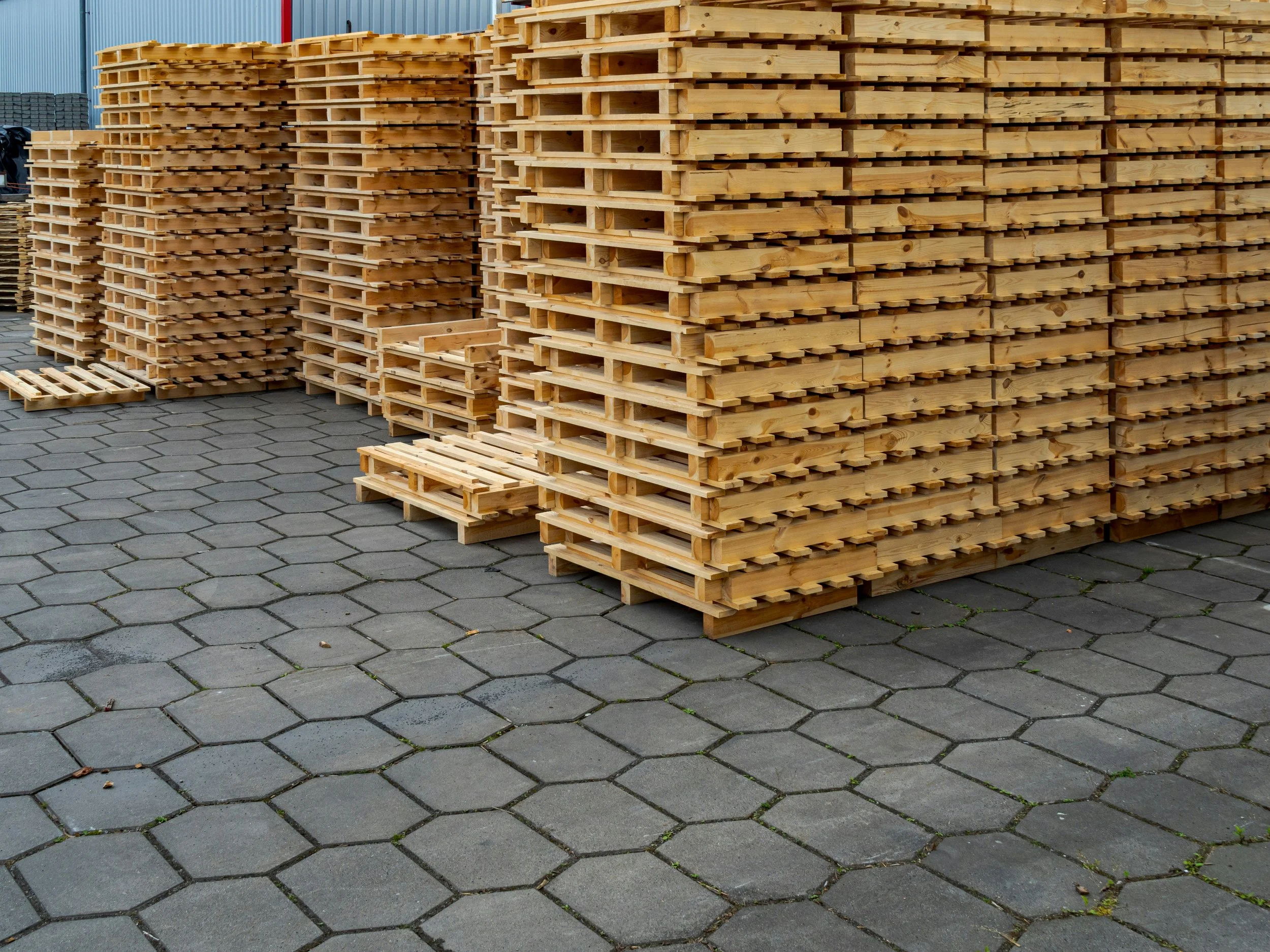
This article explores what counts as wood packaging material, what ISPM 15 requires, how CBP decides a shipment is out of compliance, what penalties and liquidated damages can follow, why South Florida importers should pay attention and what ISPM 15 compliance looks like in practice.
Key Takeaways:
Wood packaging material includes pallets, crates, boxes, reels, drums and the loose wood used to brace cargo, known as dunnage.
All regulated wood packaging entering or passing through the United States must be heat-treated or fumigated and carry an approved ISPM 15 mark.
Wood packaging that lacks a valid mark or carries live timber pests is noncompliant, and the shipment won't be allowed to enter.
Penalties can be based on the value of the wood packaging plus the value of the goods it carried.
Failing to follow CBP's instructions after a violation can bring a separate claim for liquidated damages against a customs bond.
What Counts as Wood Packaging Material?
Under the regulations, wood packaging material (“WPM”) is wood or wood products, other than paper products, used to support, protect or carry a commodity. That definition covers pallets, skids, pallet collars, crates, boxes, cases, bins, reels, drums, load boards and the wood used for bracing.
It also includes dunnage, which is wood used to secure or support cargo but that doesn't stay with the goods once they're unloaded. Wooden blocks wedged between machinery in a container, or planks laid on a ship's deck to keep cargo stable, are common examples. Importers sometimes assume dunnage isn't their concern because it isn't part of the product. CBP doesn't see it that way.
A few types of wood fall outside the rules. Manufactured wood products like plywood are generally excluded. So are loose packing materials, such as sawdust, and pieces under 6 millimeters in any dimension. However, packaging that combines exempt manufactured wood products with regulated solid wood components may still be subject to ISPM 15. Those exceptions are narrow, and wood that looks processed isn't always exempt. Whether a given piece of packaging qualifies is a technical question that can decide whether a shipment clears.
What Is ISPM 15, and What Does It Require?
International Standard for Phytosanitary Measures No. 15 (“ISPM 15”), is the global rule for wood packaging used in international trade. It was first adopted in 2002 under the International Plant Protection Convention (“IPPC”), a treaty that now has more than 180 contracting parties, and it was most recently revised in 2018. Because so many countries follow the same standard, a pallet treated and marked in Colombia or Vietnam should be recognized at any port that accepts ISPM 15.
The United States applies the standard through USDA regulations, and CBP enforces them at the border. All regulated wood packaging entering or transiting the United States must be debarked and heat-treated, which means heating the wood so its core reaches a set temperature for a set time, or fumigated with methyl bromide. Treatment alone isn't enough. Each piece must also carry an approved mark certifying that it was treated.
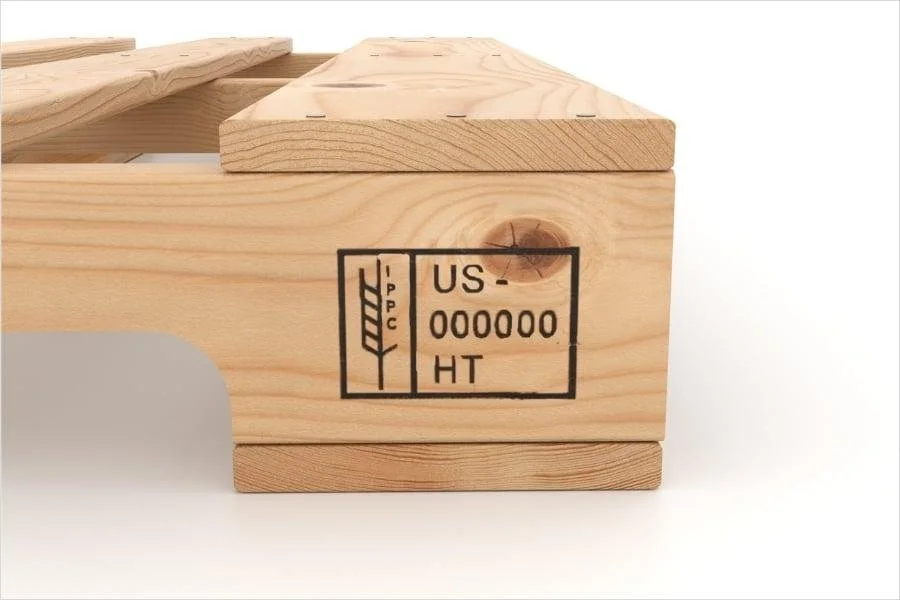
An approved ISPM 15 mark has a specific layout:
A rectangular border around the entire mark
The IPPC symbol, a stylized wheat stalk
The two-letter code for the country where the wood was treated, followed by a hyphen and the treatment provider's unique number (for example, "US-1234")
A code showing the treatment type, such as "HT" for heat treatment or "MB" for methyl bromide.
The mark must also be legible, durable, and non-transferable, and generally must appear on at least two opposite sides of the wood packaging unit.
One mistake that sinks otherwise properly treated pallets is a company logo or other symbol placed inside the border of the mark. ISPM 15 doesn't allow additional information within the mark, so a provider's branding inside the box can render the mark noncompliant, even if the wood itself was treated correctly.
How Does CBP Decide Wood Packaging Is Noncompliant?
When CBP agriculture specialists inspect a shipment, they look for two kinds of problems. The presence of either one is enough to make the wood packaging noncompliant:
Wood packaging that lacks an ISPM 15 mark certifying treatment, including wood with unapproved or illegible marks
Wood packaging infested with live timber pests, regardless of its markings
Live pests catch many importers by surprise, because a pallet can carry a perfectly formatted mark and still be treated as a violation if inspectors find live wood-boring insects in it. The presence of live timber pests can independently render the wood packaging noncompliant, regardless of whether it carries an approved ISPM 15mark. Those families include:
Longhorned beetles (Cerambycidae);
Metallic wood-boring beetles (Buprestidae);
Wood wasps (Siricidae);
Carpenterworm moths (Cossidae);
Weevils and bark beetles (Curculionidae and Scolytidae);
Ambrosia beetles (Platypodidae); and,
Clearwing moths (Sesiidae).
Once CBP finds a violation, it typically issues an Emergency Action Notification (“EAN”), which tells the responsible party what must happen to the goods. Shipments with noncompliant wood packaging won't be allowed to enter the United States. Depending on the nature of the violation, the required corrective measures may include fumigation, destruction of the noncompliant packaging under agency supervision, or re-exportation of the shipment. Whether the cargo can be separated from the wood packaging or otherwise remediated depends on the circumstances and the instructions issued by CBP and USDA’s Animal and Plant Health Inspection Service (“APHIS”). As a result, cargo that’s perfectly legal and urgently needed can still be held at the port while the required corrective action is arrange.
What Penalties and Liquidated Damages Can a WPM Violation Bring?
For years, CBP treated wood packaging penalties as a problem for repeat offenders. Until late 2017, an importer generally had to rack up more than five documented violations before a penalty was assessed. That changed on November 1, 2017, when CBP removed the threshold. Since then, a company with even one documented wood packaging violation can be assessed a penalty.
CBP’s published wood packaging penalty guidelines identify 19 U.S.C. § 1595a(b) as a statutory basis for penalties against individuals or businesses involved in the unlawful introduction of merchandise into the United States. Under this provision, the penalty may be based on the value of the articles introduced, including both the wood packaging and the commodities it carried. CBP may also pursue penalties under 19 U.S.C. § 1592 when statutory requirements concerning material false statements, omissions, or acts involving fraud, gross negligence, or negligence are satisfied. Unlike § 1595a(b), § 1592 has it own penalty calculations and limitations, which depend on the circumstances and level of culpability involved.
That definition is what makes the exposure so large. Picture a $150,000 shipment of auto parts that arrives on pallets with an unapproved mark. The pallets themselves might be worth a few hundred dollars. But a penalty under § 1595a(b) can be calculated using the combined value of the pallets and the full $150,000 shipment of auto parts. . That assessed amount may be reduced through mitigation, a discretionary process in which the importer asks CBP to lower the penalty. Mitigation isn't automatic, though, and CBP generally won't grant it to a company with a continuing pattern of violations.
A second kind of exposure comes from the EAN itself. If the parties responsible for the goods, such as the importer or carrier, don't follow the directions in an EAN, CBP may issue a claim for liquidated damages, a monetary claim against the party's customs bond. The claim for conditionally released goods can reach three times the entered value, capped at the bond amount. Missing a re-export deadline or moving the goods without permission can trigger a claim.
Responsibility doesn't always fall on the importer. Carriers and bonded warehouses can be on the hook too, depending on who controlled the goods and who failed to act. Responsibility for the underlying WPM violation and responsibility for failing to comply with an EAN are not necessarily the same. A carrier or bonded custodian, for example, may face exposure for failing to comply with the applicable bond conditions even if it was not responsible for selecting or supplying the noncompliant packaging. When a notice arrives, the response, including whether and how to seek mitigation or cancellation, has deadlines and consequences that are easy to get wrong.
The cost of a violation goes well beyond the penalty. Goods held under an EAN sit at the port while the importer arranges the required corrective action, and demurrage and detention charges build up the whole time. Re-exporting cargo means paying to ship it out, then paying again to bring a compliant replacement in. Customers wait, and seasonal goods can lose their value entirely. For a small or mid-sized importer, one rejected container can wipe out the profit on months of sales.
What ISPM 15 Compliance Looks Like in Practice
Wood packaging compliance mostly happens before cargo leaves the supplier's dock, which is why it depends so heavily on the businesses an importer works with. The first line of defense is a packaging provider that is accredited to treat and mark wood under ISPM 15 by its country's plant protection authority. A mark is only as reliable as the facility behind it.
Suppliers and freight forwarders need to understand the rules, too. Many violations trace back to a supplier who reused old pallets or added unmarked bracing at the last minute, which is why ISPM 15 belongs in supplier agreements and onboarding.
Some importers find that switching away from solid wood packaging makes sense. Plastic or metal pallets and manufactured wood products aren't subject to ISPM 15, though they carry their own costs. Whether an alternative pays off depends on shipping volume and the risk profile of the suppliers involved.
The return on that effort shows up in fewer cargo holds and faster releases, which means less money lost to demurrage. It also protects against penalties and the damage a pattern of violations can do to an importer's standing with CBP.
When a violation happens anyway, the decisions made in the first days matter most, from how to comply with the EAN to how to respond to any penalty or liquidated damages claim that follows.
Every wood packaging case turns on its own facts, from who controlled the cargo to what the inspection actually found. If CBP has issued an EAN or a penalty notice on one of your shipments, the clock is already running. Contact us for a confidential consultation, and we'll help you understand your options.
Below are ten frequently asked questions based on the latest version of the article. I have kept the answers short, direct, and accessible to importers and other businesses involved in international shipping.
The questions are intended to complement the article, reinforce the principal legal and commercial risks, and encourage readers facing these issues to seek legal assistance rather than provide DIY compliance instructions.
-
WPM includes wooden pallets, crates, boxes, skids, drums, and dunnage used to support, protect, or transport goods in international shipments.
-
ISPM 15 is an international standard governing the treatment and marking of wood packaging used in international trade. Its purpose is to prevent the spread of invasive insects and other timber pests.
-
No. Certain materials, including plywood and other manufactured wood products, are generally exempt. However, regulated solid wood components may still be subject to ISPM 15 requirements.
-
Wood packaging may be considered noncompliant if it lacks a valid ISPM 15 mark, has an illegible or unapproved mark, or contains live timber pests, even if it carries an otherwise valid mark.
-
Yes. A single noncompliant pallet or other piece of WPM can result in the shipment being held and prevented from entering the United States until the required corrective action is taken.
-
CBP typically issues an Emergency Action Notification (“EAN”) identifying the required corrective measures. Depending on the circumstances, these may include fumigation, destruction of the noncompliant packaging under agency supervision, or re-exportation.
-
Yes. Since November 1, 2017, CBP has been able to assess penalties for a single documented WPM violation. An importer does not need to have a history of previous violations.
-
Depending on the statutory basis for the penalty, CBP may consider the combined value of the wood packaging and the merchandise it carried. Consequently, the potential penalty can substantially exceed the value of the packaging itself.
-
Yes. Failure to comply with an EAN may result in a separate liquidated-damages claim against the applicable customs bond. These claims are distinct from statutory penalties for the underlying WPM violation.
-
Potentially. Responsibility may extend beyond the importer to carriers and bonded custodians, depending on their involvement, control over the goods, and obligations under applicable customs requirements and bond conditions.
This article is intended for informational purposes only and does not constitute legal advice. The content herein is not a substitute for obtaining legal advice from a qualified attorney licensed in the appropriate jurisdiction. Viewing or relying upon this information does not create an attorney-client relationship. Readers should consult with legal counsel regarding their individual circumstances before taking any action based on this material.
