
C-TPAT Certification and CBP Enforcement: How Trusted Trader Status Can Reduce Risk and Improve Compliance
For many importers and exporters, the greatest supply-chain risk is not delayed shipment or temporary logistics disruption — it is an unexpected U.S. Customs and Border Protection (“CBP”) enforcement action.
A single CBP examination, seizure, UFLPA detention, EAPA investigation, or compliance audit can disrupt operations, increase costs, and expose a business to substantial liability.
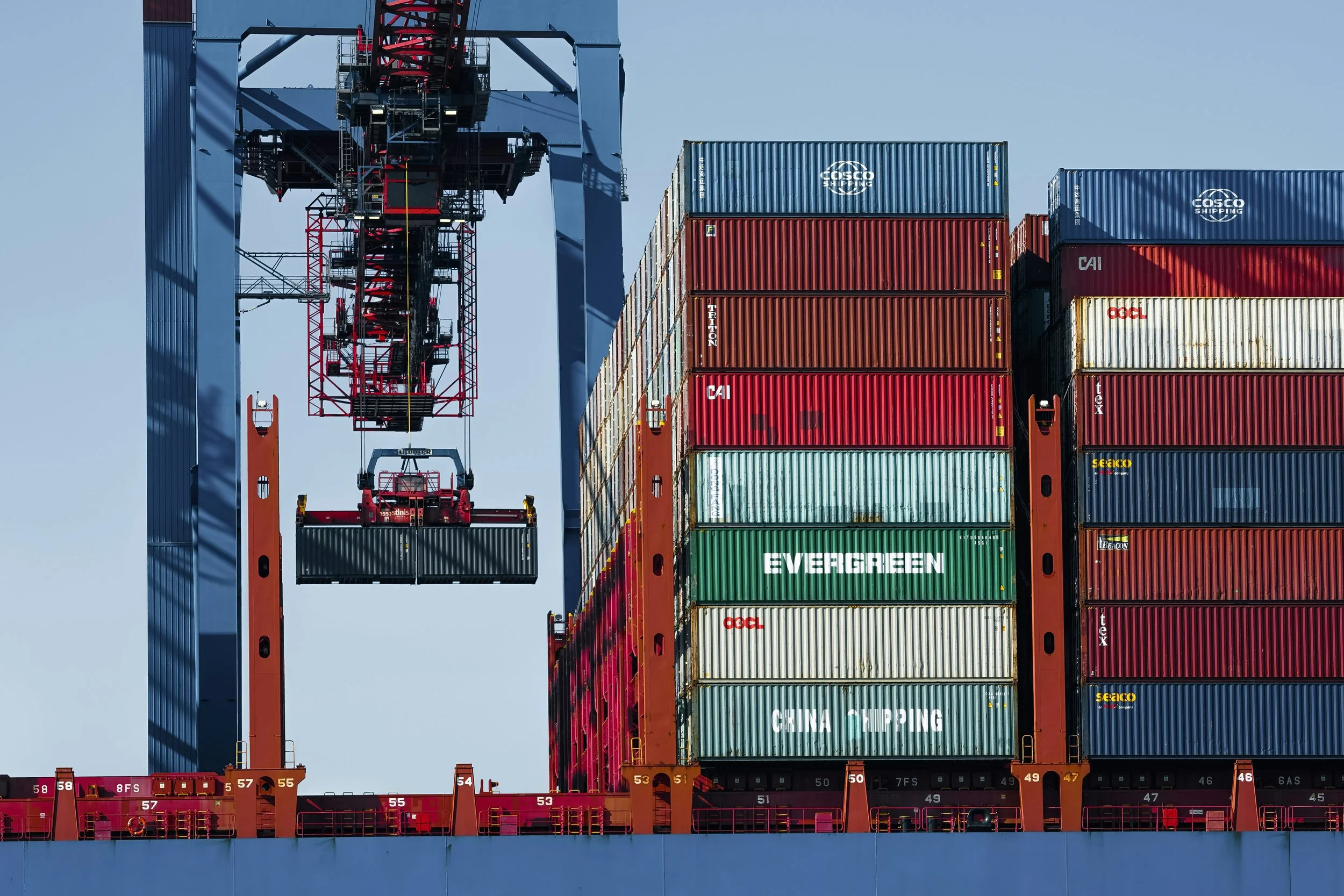
In that environment, companies are increasingly looking for ways to reduce risk while maintaining efficient cross-border operations. One tool frequently used to reduce both operational delays and enforcement risk is the Customs-Trade Partnership Against Terrorism (“C-TPAT”), CBP’s trusted trader program.
Companies that qualify for and maintain C-TPAT membership are recognized by CBP as lower-risk trade partners, and, as a result, often enjoy operational advantages that can improve both efficiency and predictability, including:
Fewer inspections;
Faster cargo processing;
Priority treatment at ports of entry; and in some cases,
Reduced exposure to some of the operational disruptions that often accompany heightened enforcement scrutiny.
While C-TPAT membership offers significant benefits, certification is neither automatic nor permanent. Companies that fail to maintain compliance may face suspension, increased scrutiny, and operational disruption.
For businesses that depend on international trade, understanding how the program works, and what can jeopardize participation, has become an increasingly important part of managing customs and supply-chain risk.
What Is C-TPAT and How Does CBP’s Trusted Trader Program Work?
At its core, the program operates on a straightforward premise: businesses that invest in supply chain security and demonstrate a genuine commitment to compliance should be treated differently than businesses that have not. By vetting and certifying trusted trade partners, CBP can focus its enforcement resources on higher-risk shipments, while giving compliant businesses a smoother, faster path through the border.
Today, C-TPAT evaluates not only physical security, but also supplier vetting, employee training, trade compliance procedures, and broader supply-chain integrity.
Who Is Eligible for C-TPAT Membership?
C-TPAT membership is open to a broad range of businesses involved in the international supply chain. Eligible entities include:
U.S. importers of record, U.S. exporters, and Licensed U.S. customs brokers;
U.S. marine port authority and terminal operators;
U.S. air carriers, sea carriers, and rail carriers;
U.S., Mexican, and Canadian highway carriers and Third-party logistics providers;
Foreign manufacturers;
Importers and exporters must demonstrate that they maintain documented security and compliance procedures meeting CBP’s minimum security criteria.
Certification should not be viewed as a “set it and forget it” designation. CBP reviews applications, conducts validations, and monitors ongoing compliance. Companies that fail to maintain program requirements may face suspension or termination of their C-TPAT status.
Why Many Businesses Pursue C-TPAT Certification
For businesses that qualify, C-TPAT membership delivers practical advantages that affect day-to-day operations and long-term risk management.
Reduced Cargo Examinations and Targeting Risk. C-TPAT members are statistically less likely to have their shipments selected for physical examination at U.S. ports of entry. Fewer inspections mean faster clearance, lower drayage and storage costs, and more predictable supply chain timelines. CBP's automated targeting systems assign risk scores to shipments. C-TPAT membership is a factor that can lower a company's risk score, reducing the likelihood of being flagged for additional scrutiny under programs like the Automated Targeting System ("ATS").
Priority Processing and FAST Eligibility. When a C-TPAT member's shipment is selected for examination, it typically receives priority processing, meaning it moves to the front of the inspection queue rather than waiting alongside non-member shipments. C-TPAT members may qualify for the Free and Secure Trade (“FAST”) program, which allows pre-screened commercial shipments to use dedicated FAST lanes at land border crossings with Canada and Mexico, significantly reducing wait times for businesses relying on cross-border ground transportation.
A Stronger Position When Compliance Issues Arise. While C-TPAT membership does not prevent enforcement actions, it can be a meaningful factor when CBP is evaluating how to handle a compliance issue. A company that has invested time and resources into C-TPAT compliance often enters discussions with CBP from a different starting point than a company with little documented compliance infrastructure.
C-TPAT members have access to CBP supply chain security specialists and benefit from enhanced communication channels with CBP, which can be valuable when navigating complex compliance questions or responding to emerging enforcement priorities.
From CBP’s perspective, C-TPAT membership may demonstrate that a company has invested in compliance, risk management, and reasonable care. While membership does not eliminate liability, it can be a relevant factor when CBP evaluates a compliance issue.
What C-TPAT Membership Does Not Protect Against
Despite its advantages, C-TPAT is not blanket safeguard against customs enforcement.
A member whose shipments are found to contain goods produced with forced labor, improperly declared country of origin, undervalued merchandise, or restricted materials will still face enforcement action, including detention, seizure, and civil penalties. Membership may be a mitigating factor in some situations, but it is not a shield against liability.
Businesses sometimes assume that obtaining certification is the finish line. In reality, C-TPAT requirements represent the minimum baseline that CBP expect participating companies to maintain.
If CBP determines that a member has experienced a security breach, a significant compliance failure, or a change in circumstances that no longer supports their risk profile, membership can be suspended on short notice. The loss of C-TPAT status at a critical moment, during a high-volume shipping season, for example, or in the middle of an enforcement inquiry, can have serious operational and financial consequences.
Common C-TPAT Mistakes That Can Lead to Increased CBP Scrutiny
In practice, many companies weaken the value of their C-TPAT participation by:
Treating certification as a one-time project;
Failing to update security profiles after significant operational changes;
Relying exclusively on supplier representations; and,
Waiting until CBP raises concerns before addressing compliance weaknesses.
Identifying and correcting these issues proactively can significantly reduce enforcement risk and help preserve the benefits associated with trusted trader status.
What Happens When C-TPAT Membership Is Suspended or Revoked?
When suspension occurs, the consequences can extend far beyond customs processing delays. Businesses that rely on C-TPAT benefits may experience delayed deliveries, increased costs, customer disruptions, and lost business opportunities.
CBP has the authority to suspend or revoke C-TPAT membership when it determines that a member no longer meets program requirements. Common triggers include, amongst others:
A CBP enforcement action involving the member or a key supplier;
A UFLPA detention or forced labor enforcement action affecting the member's supply chain;
A transshipment or country of origin finding involving the member's imports; or,
Receipt of a CBP seizure notice or penalty proceeding that calls the member's compliance posture into question.
When membership is suspended, shipments may face increased inspections, processing delays, and additional scrutiny, often resulting in higher costs and operational disruption.
That is, however, not an end-all be-all situation as reinstatement is possible. That process can be complex and often requires careful understanding of both CBP’s enforcement procedures and the specific requirements of the C-TPAT program.
C-TPAT Compliance, UFLPA Enforcement, and Supply Chain Due Diligence
As CBP places greater emphasis on forced labor enforcement and supply-chain transparency, C-TPAT participation and supply-chain due diligence have become increasingly interconnected.
CBP's current enforcement priorities, including forced labor enforcement under the UFLPA, country-of-origin fraud, transshipment schemes, antidumping and countervailing duty evasion, and supply-chain security, share a common thread: importers must understand their supply chains, document that understanding, and be prepared to demonstrate it to CBP on short notice.
C-TPAT membership can help businesses build the supply-chain visibility and documentation that CBP increasingly expects when evaluating UFLPA detentions, EAPA investigations, country-of-origin inquiries, and other enforcement matters. However, companies that fail to implement their certified practices may find that those deficiencies create additional credibility concerns.
Companies that obtain C-TPAT certification without fully implementing its requirements may face additional scrutiny if CBP discovers a gap between documented policies and actual practices.
Why Legal Counsel Matters for C-TPAT Compliance and CBP Enforcement Matters
One of the most common mistakes companies make is waiting until CBP has already initiated an enforcement action before consulting counsel.
By that stage, statements may already have been provided to CBP, compliance positions may have been established, and strategic options may be significantly limited. In many situations, the most effective opportunity to reduce risk occurs before an application is submitted, before a validation takes place, or before CBP raises concerns regarding a company's supply chain.
An experienced trade compliance and customs attorney can assist businesses before, during, and after CBP involvement by:
Evaluating eligibility, preparing applications, reviewing supply-chain security and compliance procedures;
Responding to validation findings and addressing suspension or revocation actions; and,
Coordinating responses to CBP enforcement matters, including UFLPA, EAPA, penalties, seizures, and audits.
C-TPAT membership can be a valuable tool for reducing inspections, improving supply-chain efficiency, and strengthening a company’s overall compliance posture. However, certification is only as effective as the policies, procedures, and operational practices supporting it.
Whether your company is considering C-TPAT certification, preparing for a validation, responding to a suspension, addressing a supply-chain security concern, or dealing with a broader customs enforcement issue, early legal guidance can often help identify risks before they become costly problems.
Imperial Shield PLLC assists importers, exporters, customs brokers, freight forwarders, logistics providers, manufacturers, and other members of the international trade community with C-TPAT matters, CBP enforcement actions, UFLPA detentions, EAPA investigations, customs penalties, seizures, and broader trade compliance issues.
If your business has questions regarding C-TPAT membership or is facing a customs compliance or enforcement issue, contact us today for a free confidential consultation.
-
Customs-Trade Partnership Against Terrorism (“C-TPAT”) is CBP's voluntary trusted trader program. Businesses that meet the program's security and compliance requirements may receive benefits such as fewer inspections, faster processing, and enhanced communication with CBP.
-
C-TPAT is available to many participants in the international supply chain, including U.S. importers, exporters, licensed customs brokers, carriers, logistics providers, port operators, and certain foreign manufacturers.
-
Many businesses pursue C-TPAT certification because it can improve supply-chain efficiency and reduce operational disruptions. Membership may also demonstrate a commitment to security, compliance, and risk management.
-
No. C-TPAT membership does not shield a company from detentions, penalties, seizures, or other enforcement actions. Members must still comply with all applicable customs and trade laws.
-
No. CBP reviews applications, conducts validations, and monitors ongoing compliance. Companies that fail to maintain program requirements may face suspension or loss of membership.
-
Compliance failures, supply-chain security concerns, certain enforcement actions, and failure to maintain program requirements can all place C-TPAT membership at risk. CBP may suspend or revoke membership when it determines a participant no longer meets program standards.
-
A suspension may result in increased inspections, processing delays, additional scrutiny, and the loss of trusted trader benefits. These disruptions can increase costs and affect supply-chain operations.
-
In many cases, yes. Reinstatement generally requires addressing the underlying concerns and demonstrating compliance with program requirements to CBP's satisfaction.
-
Both C-TPAT and UFLPA enforcement emphasize supply-chain visibility and due diligence. Businesses with strong documentation and oversight practices are often better positioned to respond to CBP inquiries and enforcement actions.
-
Legal counsel can assist with C-TPAT applications, validations, suspensions, and related CBP enforcement matters. Early guidance can help identify risks and preserve options before issues escalate.
This article is intended for informational purposes only and does not constitute legal advice. The content herein is not a substitute for obtaining legal advice from a qualified attorney licensed in the appropriate jurisdiction. Viewing or relying upon this information does not create an attorney-client relationship. Readers should consult with legal counsel regarding their individual circumstances before taking any action based on this material.
