
For many importers and exporters, the first indication that there is a problem in the supply chain does not come from a supplier, freight forwarder, or customs broker. It comes from U.S. Customs and Border Protection (“CBP”).
A shipment clears customs. Then months later, the importer receives a CF-28 Request for Information, a CF-29 Notice of Action, or notice of a CBP investigation under the Enforce and Protect Act (“EAPA”). CBP believes the declared country of origin was inaccurate and that the goods may have been routed through an intermediary country to evade tariffs, antidumping and countervailing duties (“AD/CVD”), or other trade restrictions.
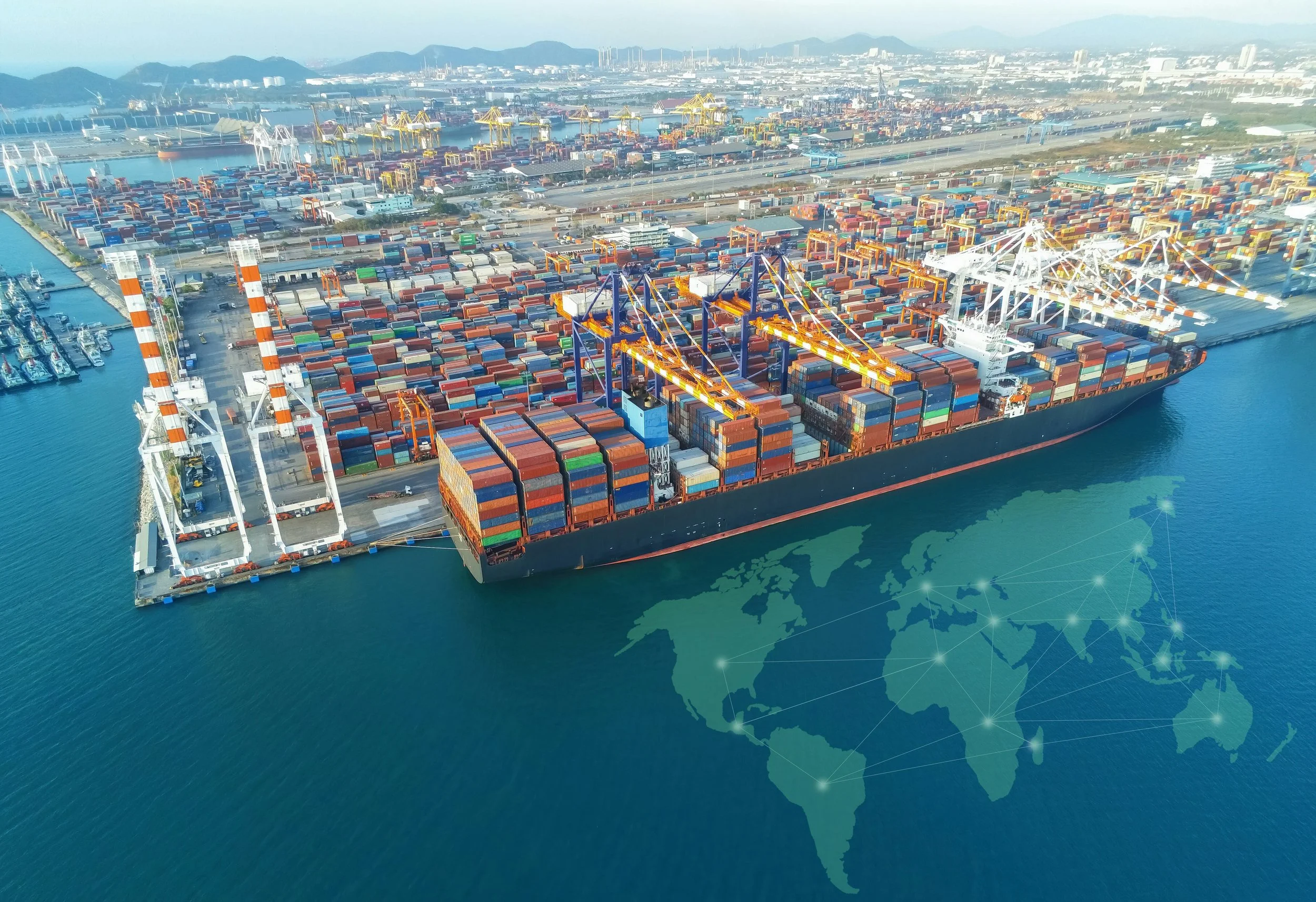
For importers and exporters, these matters can escalate quickly.
In today’s trade enforcement environment, CBP, Homeland Security Investigations (“HSI”), and other federal agencies have devoted substantial resources to aggressively investigating allegations involving transshipment, country of origin fraud, customs evasion, and AD/CVD duty avoidance. Industries frequently targeted include solar products, steel and aluminum, textiles, furniture, seafood, electronics, and industrial manufacturing.
Even companies that did not intentionally violate customs laws may face significant financial and legal exposure because of supplier misconduct, inadequate supply-chain oversight, or inaccurate origin documentation.
In this article, we explain what transshipment is under U.S. customs law, why country of origin determinations matter, how CBP investigates suspected transshipment schemes, the potential civil and criminal consequences businesses may face, and what importers and exporters should understand when responding to a CBP investigation or customs enforcement action.
What Is Transshipment Under U.S. Customs Law?
Transshipment has become a major focus of CBP trade enforcement, particularly in industries affected by elevated tariffs and AD/CV orders.
Transshipment refers to goods moving through intermediary countries before reaching their final destination because of shipping routes, cargo consolidation, distribution logistics, or infrastructure considerations.
That alone is not unlawful. In many situations, transshipment is entirely legitimate.
These allegations frequently become the subject of CBP investigations involving customs fraud, duty evasion, and country of origin verification. However, transshipment becomes illegal when an intermediary country is used to conceal the true country of origin of imported goods. In many cases, CBP alleges that goods manufactured in a country subject to elevated tariffs or AD/CVD orders were routed through a third country and accompanied by:
False certificates of origin;
Relabeled packaging;
Inaccurate commercial invoices;
Misleading shipping records; or,
Minimal processing designed to create the appearance of a different country of origin.
Under U.S. customs law, the key issue is not where the goods traveled. The issue is whether the declared country of origin accurately reflects where the goods were actually manufactured or substantially transformed.
This distinction carries enormous financial significance. Even relatively minor discrepancies in origin documentation can trigger extensive CBP scrutiny, retroactive duty exposure, cargo detention, and civil penalties.
Businesses should also understand that CBP increasingly examines the entire supply chain, including sourcing records, manufacturing capability, production records, shipping data, and communications between suppliers and intermediaries, when evaluating potential transshipment violations.
Why Country of Origin Matters Under U.S. Customs Law
Country of origin determinations can significantly affect tariff exposure, trade compliance obligations, and enforcement risk.
Country of origin declarations directly affect tariff liability, admissibility, trade preference eligibility, and exposure to federal enforcement actions.
In the current regulatory environment, origin determinations often dictate whether imported merchandise is subject to:
Antidumping and countervailing duties (AD/CVD);
quota restrictions;
import prohibitions;
trade agreement benefits; and,
enhanced CBP enforcement measures.
For many products, the financial consequences are significant. Goods covered by AD/CVD orders may carry duty exposure exceeding 100% of the value of the merchandise. As tariffs and trade restrictions have increased, CBP investigations involving country of origin fraud and AD/CVD evasion have increased as well.
Importers frequently assume that reliance on supplier certifications or intermediary representations is sufficient. In many enforcement actions, however, CBP takes the position that the importer of record bears ultimate responsibility for the accuracy of customs declarations regardless of what a foreign supplier represented.
As a result, businesses may face liability even when inaccurate origin information originated overseas. This is one reason why CBP expects importers to exercise reasonable care and maintain meaningful supply-chain due diligence procedures.
When Does Transshipment Become Illegal Under U.S. Customs Law?
CBP investigations involving transshipment frequently center on allegations of customs fraud, duty evasion, and false country of origin declarations. Illegal transshipment can trigger both civil and criminal enforcement under multiple federal laws.
At the center of most civil enforcement actions is Section 592 of the Tariff Act of 1930, which prohibits introducing merchandise into U.S. commerce through materially false statements, acts, or omissions. Importantly, liability is not limited to intentional fraud. CBP may pursue penalties based on fraud, gross negligence, or negligence.
In practice, this means a company can face substantial penalties even where CBP does not allege a deliberate scheme to evade duties.
CBP also has broad authority to initiate CBP investigations under the Enforce and Protect Act (“EAPA”) regarding allegations that importers evaded AD/CVD orders through transshipment or country-of-origin manipulation. These customs investigations can move quickly and can result in immediate operational consequences, including:
suspension of liquidation;
increased cash deposit requirements;
enhanced cargo examinations;
detention of shipments; and,
retroactive duty assessments.
In more serious cases, transshipment allegations may also trigger criminal investigations under federal statutes, involving customs fraud, false statements, conspiracy, or smuggling. A CBP investigation can disrupt supply chains, delay inventory, affect customer relationships, and create significant reporting concerns.
Importantly, companies often underestimate how rapidly a customs inquiry can escalate. For that reason, importers and exporters should avoid responding to CBP inquiries without first obtaining experienced customs and trade counsel.
Penalties for Illegal Transshipment and Country of Origin Fraud
CBP enforcement actions involving transshipment allegations can expose businesses to substantial financial, operational, and reputational consequences. The financial and operational consequences of a CBP investigation involving transshipment allegations can be severe. Depending on the nature of the alleged violation, companies may face:
substantial civil penalties under Section 592;
retroactive assessment of unpaid duties and interest;
AD/CVD liability potentially exceeding the value of the imported merchandise;
cargo detention, seizure, or forfeiture;
disruption of supply-chain operations;
suspension of import privileges;
reputational harm with customers and financial institutions; and,
potential criminal investigation.
For some businesses, the retroactive duty exposure itself can reach millions of dollars, particularly where entries span multiple years or involve products subject to significant AD/CVD rates.
CBP also evaluates whether the company maintained adequate compliance procedures and exercised reasonable care in monitoring its supply chain. Businesses lacking documented compliance controls may face increased difficulty defending against allegations of negligence or gross negligence.
The stakes become even higher where CBP believes the company ignored obvious warning signs within the supply chain or failed to investigate inconsistencies in origin documentation.
Because these cases often involve overlapping customs, regulatory, and potential criminal issues, early legal assessment is critical.
What Importers and Exporters Should Do If They Receive a CBP Notice
In many CBP investigations, strategic decisions made during the earliest stages of the inquiry can significantly affect penalty exposure, operational disruption, and available legal defenses.
If your company becomes the subject of a CBP investigation or receives a CF-28, CF-29, EAPA notice, detention notice, customs subpoena, or other CBP inquiry involving country of origin issues, it is important to act quickly and strategically.
Businesses should avoid assuming that the matter can be resolved informally or that overseas suppliers will adequately protect the company’s interests. Importers should also avoid responding to CBP without understanding the scope of the inquiry, the potential penalty exposure, whether prior disclosure may be available, whether criminal referral risks exist, and how submitted documents and statements may affect the government’s investigation.
In many cases, early legal intervention can help businesses:
assess exposure;
preserve defenses;
structure communications with CBP;
conduct internal reviews under privilege;
evaluate prior disclosure options; and,
negotiate more favorable outcomes.
Companies engaged in international trade should also proactively review their supply-chain compliance practices before enforcement issues arise. Businesses importing goods from or through high-risk jurisdictions should carefully evaluate supplier documentation, manufacturing records, origin certifications, and contractual protections.
Businesses should not assume that customs brokers, freight forwarders, or overseas suppliers are positioned to provide legal guidance regarding potential transshipment exposure. These matters frequently involve overlapping customs, regulatory, civil penalty, and criminal considerations that require experienced legal counsel.
In many CBP investigations, strategic decisions made during the earliest stages of the inquiry can significantly affect penalty exposure, operational disruption, and available legal defenses.
At Imperial Shield PLLC, we represent importers, exporters, customs brokers, logistics companies, and businesses confronting CBP investigations, Section 592 penalty proceedings, EAPA investigations, seizure matters, and complex country of origin disputes. Early legal intervention is often critical in limiting financial exposure and protecting the company’s ability to continue operating.
If your company is facing a CBP investigation, has received a CF-28, CF-29, EAPA notice, customs subpoena, detention notice, or other CBP inquiry involving country-of-origin issues or potential transshipment concerns, contact us for a confidential consultation. Early legal intervention may substantially affect both the financial exposure and operational consequences of the matter.
Frequently Asked Questions (FAQs):
-
Transshipment happens when goods move through another country before entering the United States. It may become a problem if CBP believes the shipment was routed through another country to hide where the goods were actually made.
-
No. Many shipments pass through other countries for normal shipping or logistics reasons. The issue arises when CBP believes the routing was used to avoid tariffs, duties, or trade restrictions.
-
The country where goods are made can affect tariffs, duties, trade restrictions, and whether products qualify for certain trade benefits.
-
Yes. CBP often takes the position that the importer is responsible for making sure customs information and country-of-origin declarations are accurate.
-
Businesses may receive a CF-28 Request for Information, a CF-29 Notice of Action, shipment detention notices, or requests for supplier and manufacturing records.
-
CBP frequently investigates products such as steel, aluminum, solar products, textiles, furniture, seafood, electronics, and industrial products.
-
Potential consequences may include additional duties, customs penalties, cargo delays, shipment seizure, supply-chain disruption, and possible criminal investigation.
-
An EAPA investigation involves allegations that a business avoided antidumping or countervailing duties by misrepresenting the country of origin of imported goods.
-
Businesses should take the matter seriously, preserve records, avoid rushing to respond, and seek experienced customs and trade counsel as early as possible.
-
Businesses should carefully review supplier records, manufacturing information, shipping documents, and country-of-origin certifications, while maintaining strong compliance procedures throughout the supply chain.
This article is intended for informational purposes only and does not constitute legal advice. The content herein is not a substitute for obtaining legal advice from a qualified attorney licensed in the appropriate jurisdiction. Viewing or relying upon this information does not create an attorney-client relationship. Readers should consult with legal counsel regarding their individual circumstances before taking any action based on this material.
