
Can U.S. Customs Seize Souvenirs, Luxury Goods, or Personal Items Bought Abroad? What International Travelers Should Know Before Entering the United States.
As millions of international travelers prepare to enter the United States for the 2026 FIFA World Cup, federal authorities are expected to significantly increase customs inspections at airports, cruise terminals, and land ports of entry throughout the country. For many visitors, the trip will include more than just matches and tourism. Travelers routinely arrive carrying personal items, gifts, luxury goods, traditional products, medications, cultural items, and souvenirs purchased or lawfully used in their home countries.
What many do not realize, however, is that the legality of an item abroad has little bearing on whether it may lawfully enter the United States.
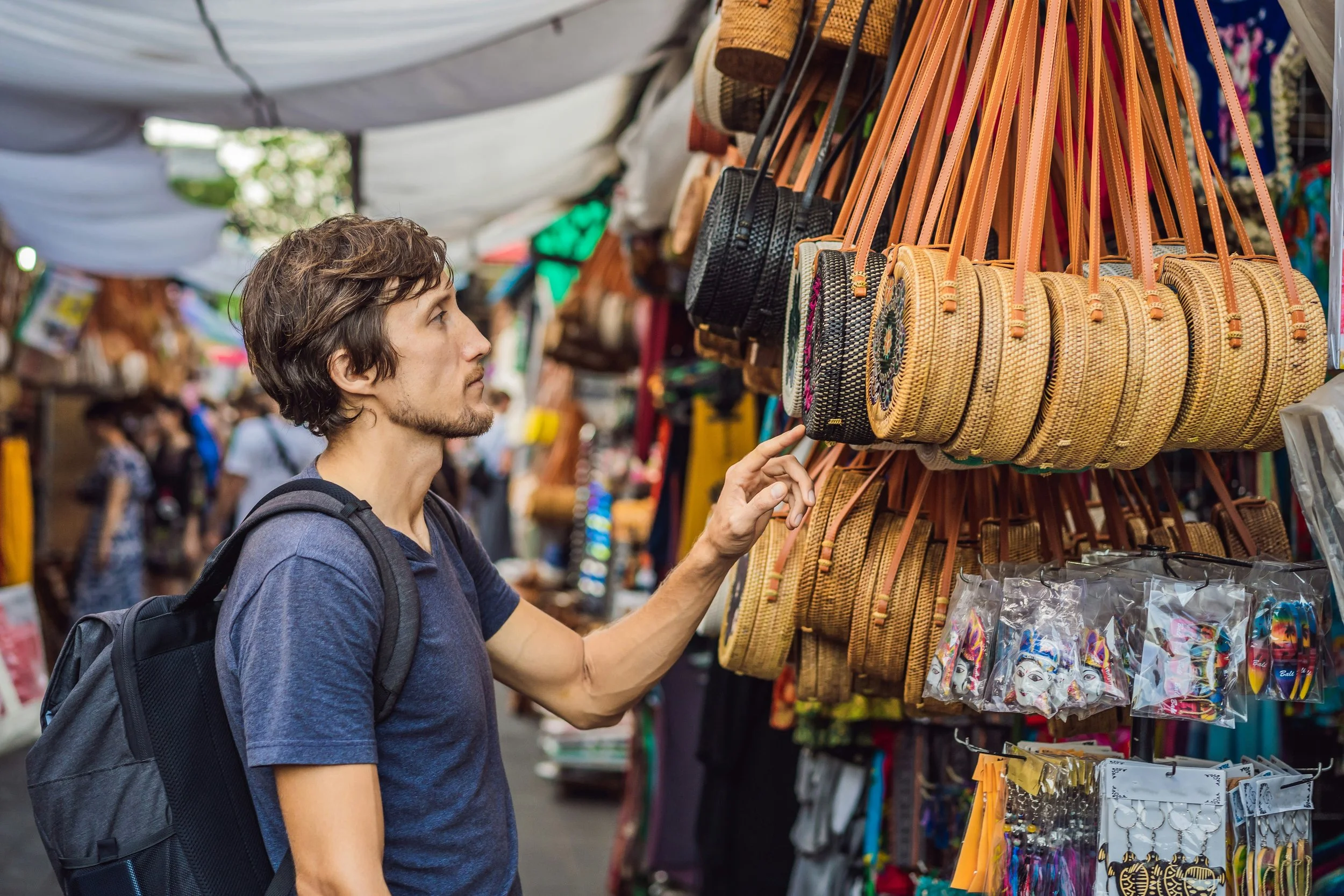
A bracelet purchased at a local market overseas. A luxury handbag made with exotic leather. Traditional medicines containing animal-derived ingredients. Decorative coral pieces, reptile skin accessories, carved ivory items, cultural goods containing feathers or shell materials, or even certain cosmetics, supplements, and herbal products commonly used abroad may all trigger inspection, seizure, forfeiture proceedings, and, in more serious situations, federal investigative scrutiny.
In this article, we explain how U.S. customs and wildlife import laws apply to international travelers entering the United States, especially during World Cup 2026, why items that are perfectly legal abroad may still be seized by federal authorities upon entry, what types of souvenirs, personal-use products, luxury goods, and culturally common items most frequently trigger enforcement action, what travelers should do if the U.S. Customs and Border Protection (“CBP”) seizes property at the airport or seaport, and what travelers should know about CBP seizures, federal forfeiture proceedings, and potential strategies for protecting their rights and mitigating exposure if a seizure occurs.
Why ‘It Was Legal in My Country’ Does Not Prevent a CBP Seizure
One of the most common and costly misunderstandings travelers make is assuming that an item lawfully purchased, possessed, or used in another country must therefore be lawful to bring into the United States.
That is not how U.S. customs law works.
The United States applies its own federal import restrictions the moment a traveler arrives at a U.S. port of entry. Whether an item was openly sold abroad, purchased from a reputable vendor, accompanied by a receipt, or commonly used in the traveler’s home country is often legally irrelevant to admissibility into the United States.
This issue becomes especially significant during major international events such as the World Cup, where travelers from dozens of countries arrive carrying culturally common products and materials that may nonetheless violate U.S. wildlife, agricultural, customs, FDA, or import regulations. In many situations, the traveler has absolutely no intent to violate U.S. law, yet still faces seizure and forfeiture proceedings.
Unfortunately, CBP, the U.S. Fish & Wildlife Service (“USFWS”), and other federal agencies are not required to excuse violations simply because a traveler was unfamiliar with U.S. import laws.
Wildlife Products, Exotic Materials, and Luxury Goods Commonly Seized by CBP
The United States maintains some of the strictest wildlife importation laws in the world. Federal statutes such as the Endangered Species Act (“ESA”), the Lacey Act, and the Convention on International Trade in Endangered Species (“CITES”) regulate thousands of species and animal-derived products.
Critically, these laws often apply not only to obvious wildlife products, but also to ordinary consumer goods that incorporate protected materials. CBP and USFWS routinely inspect items including:
Handbags;
Belts;
Shoes;
Jewelry;
Decorative carvings;
Coral products;
Reptile skin accessories;
Feathered items;
Shell products;
Traditional medicines;
Luxury fashion goods; and,
Cultural artifacts.
Travelers are frequently surprised to learn that a product’s appearance, value, or commercial packaging does not determine whether it violates U.S. law. A small souvenir purchased at a street market may trigger the same federal enforcement mechanisms as a high-value luxury import.
Moreover, under portions of the ESA and related civil forfeiture frameworks, the government may not need to prove that the traveler intended to violate the law. Certain enforcement provisions operate under what is effectively a strict liability framework in civil proceedings, meaning the absence of criminal intent or knowledge may not prevent seizure or financial penalties.
That distinction becomes critically important once CBP initiates a seizure.
Personal-Use Items That May Trigger Customs Seizures or Federal Forfeiture
Many international travelers mistakenly assume that customs enforcement applies only to commercial imports or intentionally smuggled goods. In reality, CBP officers routinely inspect personal luggage for items that may violate U.S. regulations even when the traveler never intended to “import” anything commercially.
For World Cup 2026 travelers entering from abroad, this may include products and materials that are perfectly lawful, and culturally ordinary, in their home countries but restricted under U.S. law. Certain traditional medicines, herbal remedies, animal-derived supplements, exotic leather products, food items, cosmetics, ceremonial goods, or culturally significant accessories may all draw federal scrutiny depending on their ingredients, materials, or origin.
This is particularly important because many travelers do not even know what materials their products contain. Labels abroad may differ substantially from U.S. disclosure standards, and vendors frequently provide inaccurate or incomplete explanations regarding legality for U.S. entry.
In some cases, travelers discover only after secondary inspection that an item contains protected wildlife material, restricted biological ingredients, or undeclared agricultural substances. By that point, CBP may already be initiating seizure procedures or referring the matter for additional agency review.
Cruise Passengers, Tourists, and International Travelers Remain Subject to U.S. Customs Laws
Cruise travelers often assume that goods purchased during international stops are subject only to customs duties or routine declarations. That assumption can create serious problems upon return to the United States.
Passengers returning from the Caribbean, Mexico, Central America, South America, Africa, Southeast Asia, and other tourism-heavy regions frequently purchase jewelry, decorative items, handbags, shells, coral products, reptile accessories, and cultural goods that may implicate federal wildlife import laws. CBP and USFWS actively conduct inspections at U.S. seaports, and cruise passengers remain fully subject to the same federal statutes governing airline travelers.
Major international gateways such as Miami International Airport, Port Miami, and Port Everglades routinely process travelers carrying goods that may be subject to federal import restrictions, customs seizures, or wildlife enforcement scrutiny.
During major international tourism periods such as World Cup 2026, heightened enforcement activity at airports and seaports is likely. Increased passenger volume generally corresponds with increased customs screening, secondary inspections, and interagency coordination involving wildlife, agricultural, and import enforcement authorities.
Travelers should therefore exercise caution not only regarding purchased souvenirs, but also regarding personal-use products and items transported from abroad into the United States.
What Happens After a CBP Seizure
Once CBP identifies an item believed to violate federal law, the situation can escalate quickly. Property may be seized immediately, often without a court order, and travelers may receive a Notice of Seizure outlining the alleged legal basis for forfeiture.
In some situations, travelers are asked to sign documents at the airport or port of entry, including forms relating to abandonment of the property. Individuals should exercise extreme caution before signing anything they do not fully understand. Voluntary abandonment forms and related documents may significantly affect a traveler’s ability to later challenge the seizure or recover property.
Depending on the circumstances, a matter may also be referred to USFWS special agents or other federal authorities for additional investigation, resulting in travelers facing:
Immediate seizure and forfeiture proceedings;
Civil monetary penalties;
Extensive customs examinations;
Secondary inspections;
Referrals to USFWS special agents;
Allegations of false declarations;
Long-term customs scrutiny on future travel; or,
Criminal investigation exposure in more serious cases.
Importantly, civil forfeiture proceedings do not necessarily require a criminal conviction, or even criminal charges. Property may be permanently forfeited under federal law based on the government’s allegations regarding admissibility or import violations alone.
For many travelers, one of the first questions becomes: “Can I challenge CBP seizure?” The answer depends heavily on the facts of the case, the type of property involved, the applicable federal statutes, and whether important procedural deadlines are preserved immediately following the seizure.
Why Early Legal Intervention Matters In CBP Seizure and Federal Forfeiture Cases
Federal seizure and forfeiture matters move quickly, and strict procedural deadlines often apply. In many cases, the actions taken during the first days following a seizure can substantially affect the trajectory of the case.
Although every matter is fact-specific, early legal intervention may help identify procedural deficiencies, preserve defenses, contest forfeiture allegations, clarify documentation issues, and potentially mitigate financial exposure or enforcement consequences where appropriate. In some cases, counsel may also assist in negotiating resolutions before matters escalate further.
Travelers frequently underestimate how technical these proceedings can become. Wildlife import laws, customs regulations, federal forfeiture procedures, and agency enforcement policies often overlap in ways that are not immediately obvious to non-lawyers — or even to attorneys unfamiliar with federal customs enforcement practice.
Imperial Shield PLLC routinely assists clients confronting CBP seizures, customs forfeiture matters, wildlife-related enforcement actions, and complex federal border enforcement issues involving overlapping regulatory frameworks. As a firm handling federal customs seizure and forfeiture matters, we also work with referring attorneys, customs brokers, travel professionals, and businesses confronting time-sensitive import and enforcement issues.
If CBP, USFWS, or another federal agency has seized your property, or if you are concerned about bringing goods or personal items into the United States, even during World Cup 2026 travel, consulting a customs seizure attorney or federal forfeiture attorney early in the process may significantly affect your ability to preserve defenses, pursue mitigation, and protect you rights.
Contact us for a confidential consultation regarding customs seizures, wildlife-related enforcement matters, federal forfeiture proceedings, and border enforcement issues.
Frequently Asked Questions (FAQs):
-
Yes. U.S. law, not the law of the country of purchase or origin, controls whether an item may lawfully enter the United States.
-
Commonly seized items include exotic leather goods, coral products, ivory items, reptile skin accessories, shell jewelry, traditional medicines, wildlife-derived products, and certain agricultural or biological materials.
-
Not necessarily. Certain federal civil enforcement provisions operate under strict liability standards, meaning the government may not need to prove intent or knowledge in order to seize property or impose civil consequences.
-
Yes. Commercial intent is not always required for seizure or forfeiture exposure under federal import laws.
-
You should promptly obtain all seizure paperwork, carefully track deadlines, avoid signing documents you do not fully understand, and consult experienced legal counsel as early as possible.
-
Potentially, yes. Depending on the facts, early legal intervention may help challenge the seizure, preserve procedural rights, negotiate mitgation, reduce financial exposure, or prevent further escalation.
-
Deadlines in federal seizure and forfeiture matters can be extremely short and may vary depending on the type of property and proceeding involved. Missing deadline may significantly affect your ability to challenge the seizure or seek return of the property.
-
No. Although travelers are generally required to declare items acquired abroad, declaration alone does not guarantee the item will be permitted entry into the United States or protected from seizure.
-
Yes. U.S. customs, wildlife, agriculatural, and import restrictions generally apply to all travelers entering the United States, including tourists, business travelers, cruise passengers, students, and individuals arriving for major international events such as World Cup 2026.
-
Yes. Under federal civil forfeiture laws, property may in some cases be permanently forfeited even if no criminal charges are filed.
This article is intended for informational purposes only and does not constitute legal advice. The content herein is not a substitute for obtaining legal advice from a qualified attorney licensed in the appropriate jurisdiction. Viewing or relying upon this information does not create an attorney-client relationship. Readers should consult with legal counsel regarding their individual circumstances before taking any action based on this material.
