
Recovering Import Duties Through Duty Drawback: How U.S. Importers and Exporters Can Reclaim Money and Improve Trade Compliance
Did you know that U.S. importers and exporters can recover up to 99% of duties paid on imported goods?
In today’s global trade environment, tariffs, customs duties, and import fees can significantly affect a company’s bottom line. Individuals and businesses that regularly import goods into the United States often assume those duties are simply part of the cost of doing business.
In many cases, however, that assumption is incorrect.
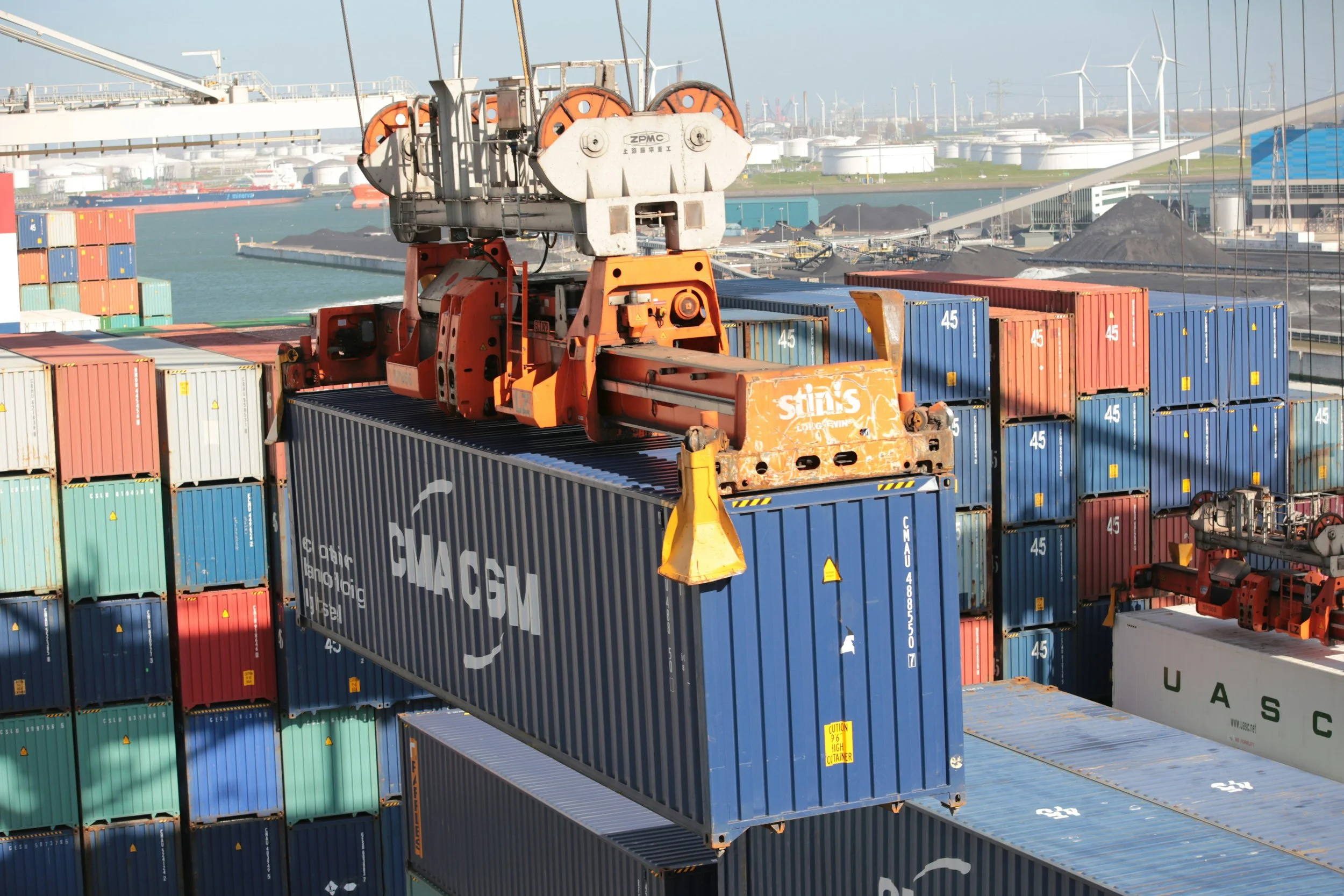
Under U.S. customs law, importers and exporters may be entitled to recover a substantial portion of duties paid on imported goods if those goods are later exported, re-exported, or destroyed under customs supervision. This process is known as duty drawback, and when implemented properly, it can result in significant refunds and improved cash flow.
As international trade becomes more complex, with shifting tariff policies, supply chain disruptions, and evolving enforcement priorities, it’s critical for importers, exporters, and all businesses involved in trade to understand not just compliance, but opportunity. Despite its potential value, duty drawback remains widely underutilized. Most are either unaware the program exists or assume the process is too complex to pursue.
In this article, we explain what duty drawback is, who qualifies, when it may be claimed, and how to ensure you’re positioned to take advantage of it. Understanding how duty drawback works can put significant financial resources back in your company’s hands while keeping your trade operations fully compliant.
What Is Duty Drawback Under U.S. Customs Law?
Duty drawback is a customs duty refund mechanism that allows the recovery of certain duties, taxes, and fees previously paid on imported merchandise when that merchandise (or a valid substitute) is later exported, reexported, or destroyed under U.S. Customs and Border Protection (CBP) rules. In many cases, companies can recover up to 99 percent of the duties paid on qualifying goods. For avoidance of doubt, goods imported duty-free or exempt from customs duties do not qualify for drawback, as there are no duties to recover.
In essence, if your business pays customs duties upon importation but then sends the goods back out of the United States, whether in the same form, as part of a manufactured export, or through destruction under CBP supervision, you may be entitled to recover those duties. This concept is not new. Duty drawback has existed in U.S. customs law for centuries and was originally designed to ensure that American businesses were not disadvantaged when exporting goods made with imported materials.
Today, drawback continues to serve that purpose by helping importers, exporters, and manufacturers remain competitive in international markets.
Who Can Claim Duty Drawback?
Unlike many trade incentives that apply only to specific industries or sectors, duty drawback is broadly available. Eligibility depends largely on who is claiming it and how they handled the goods. Parties that commonly benefit from drawback include:
Importers of Record, meaning the individual or entity that paid the duties when the goods entered the U.S. may claim drawback when those goods are subsequently exported or destroyed.
Exporters who, even if they didn’t pay duties directly, can sometimes secure drawback if they can link the exported merchandise to a prior import entry.
Manufacturers and Processors like those who manufacture or assemble products in the United States using imported components may qualify for drawback when the finished products are exported.
Because modern supply chains often involve multiple parties, drawback claims frequently require coordination among importers, manufacturers, distributors, and exporters. Proper documentation and traceability are essential.
When Can You Claim Duty Drawback?
Global trade conditions continue to evolve. Tariffs, trade enforcement actions, and regulatory scrutiny have all increased in recent years. Duty drawback offers a lawful and effective way to recover a portion of those costs, sometimes amounting to hundreds of thousands or even millions of dollars over time. Duty drawback applies in several distinct scenarios:
Export of Unused Imported Merchandise. If imported goods are exported in the same condition as when they were brought into the United States, you may be entitled to a refund of duties and fees paid. The key is proving that the exported merchandise matches the imported merchandise by quantity, quality, and other identifying features. For example, a distributor may import goods for domestic sale but later decide to ship a portion of that inventory to customers overseas. Those exported goods may qualify for drawback.
Manufactured Articles That Incorporate Imported Inputs. A common and high value use of drawback is for goods that have been assembled, processed, or manufactured in the U.S., and then exported. In this context, you can claim drawback on duties paid for imported components used in the manufacturing process, as long as those goods leave the U.S. as part of the finished product.
Destruction Under CBP Supervision. When imported goods are destroyed under CBP authority (e.g., due to defect, contamination, or noncompliance), duties may be refunded proportionately. This requires strict oversight and documentation showing that the goods were rendered unusable.
Drawback claims must be timely. In most cases, claims must be filed within five years from the date of importation for the imported goods; while claims tied to manufactured articles exported under certain statutes may require filing within three years from the date of export. Failure to meet these deadlines generally results in permanent loss of the refund opportunity. For companies with significant import and export activity, implementing internal systems to track eligible transactions is critical.
Avoiding Double Recovery: Duty Drawback vs Other Tariff Refunds
While duty drawback provides a powerful opportunity to recover duties paid on imported goods, businesses should be aware that U.S. customs law does not permit double recovery of duties. In other words, a company generally cannot recover the same duties through multiple legal mechanisms. For example, if an importer is challenging the legality of a tariff through a customs protest, administrative review, or federal litigation, those same duties typically cannot also be recovered through a drawback claim.
This issue has received renewed attention in recent trade litigation involving tariffs imposed under the International Emergency Economic Powers Act (IEEPA).
In Learning Resources, Inc. v. Trump, the Supreme Court of the United States held that IEEPA does not authorize the President to impose tariffs, because the statute does not clearly grant tariff authority and tariffs are fundamentally a Congressional power.
Following that decision, refund procedures and related litigation have proceeded before the United States Court of International Trade, which has jurisdiction over disputes involving U.S. customs and international trade laws. In Atmus Filtration, Inc. v. United States, importers sought refunds of tariffs after courts determined that the duties had been unlawfully imposed. The United States Court of International Trade subsequently ordered U.S. Customs and Border Protection to liquidate or reliquidate affected entries without the IEEPA duties, effectively initiating the refund process for importers.
For affected importers, the appropriate course is generally to pursue refunds through the judicial or administrative mechanism connected to the underlying tariff challenge, rather than through duty drawback for the same duties. The key takeaway is that duty drawback should be evaluated as part of a broader trade compliance strategy. Choosing the right recovery mechanism often requires careful legal analysis of the applicable statutes, tariffs, and supply-chain transactions.
Maximizing Duty Drawback and Trade Compliance Benefits
Duty drawback is one of the most valuable, and frequently underutilized, tools available under U.S. customs law. For individuals and businesses engaged in international trade, it offers a legitimate opportunity at recovery. At the same time, pursuing drawback requires careful planning, accurate documentation, and a clear understanding of how the program interacts with other customs remedies, including tariff refund procedures and trade litigation.
Businesses that import goods into the United States and later export or destroy them may benefit significantly from evaluating whether a drawback strategy applies to their operations. If your business imports or exports goods, now is the time to evaluate your eligibility for duty drawback. Partnering with experienced trade compliance attorney or other trade expert ensures that you capture every possible refund, maintain full compliance, and minimize risk.
Contact Imperial Shield PLLC today to review your duty drawback opportunities and determine whether your business may be entitled to recover previously paid import duties.
Frequently Asked Questions (FAQs):
-
Duty drawback is a customs duty refund mechanism that returns duties, taxes, and certain fees paid on imported merchandise when that merchandise (or a valid substitute) is exported, reexported, or destroyed under CBP rules.
-
Typically, the importer of record, exporter, or an intermediate party involved in the transaction, so long as they can demonstrate a proper linkage between the import and export/destroyed goods.
-
Most claims must be filed within five (5) years of the original import. Certain manufactured export claims must be filed within three (3) years of export.
-
Yes, provided the repack or relabel doesn’t change the essential identity of the goods and proper tracking/documentation is maintained.
-
Claims require rigorous documentation, accurate record keeping, and compliance with CBP electronic filing requirements. Complexity varies by transaction.
-
Refundable charges may include regular duties, marking duties, certain excise taxes, harbor maintenance fees, and merchandise processing fees.
-
Yes. Under current regulations, substitute goods that meet defined criteria may be used in drawback claims, expanding the scope of eligible transactions.
-
Claims filed after statutory deadlines are generally denied, meaning the duty paid becomes nonrecoverable.
-
A well managed drawback program enhances compliance, strengthens internal controls, and reduces the risk of auditing, penalties, or enforcement actions.
-
Because drawback involves nuanced legal requirements and documentation standards, partnering with experienced counsel or a qualified customs broker significantly increases the likelihood of successful claims.
This article is intended for informational purposes only and does not constitute legal advice. The content herein is not a substitute for obtaining legal advice from a qualified attorney licensed in the appropriate jurisdiction. Viewing or relying upon this information does not create an attorney-client relationship. Readers should consult with legal counsel regarding their individual circumstances before taking any action based on this material.
