
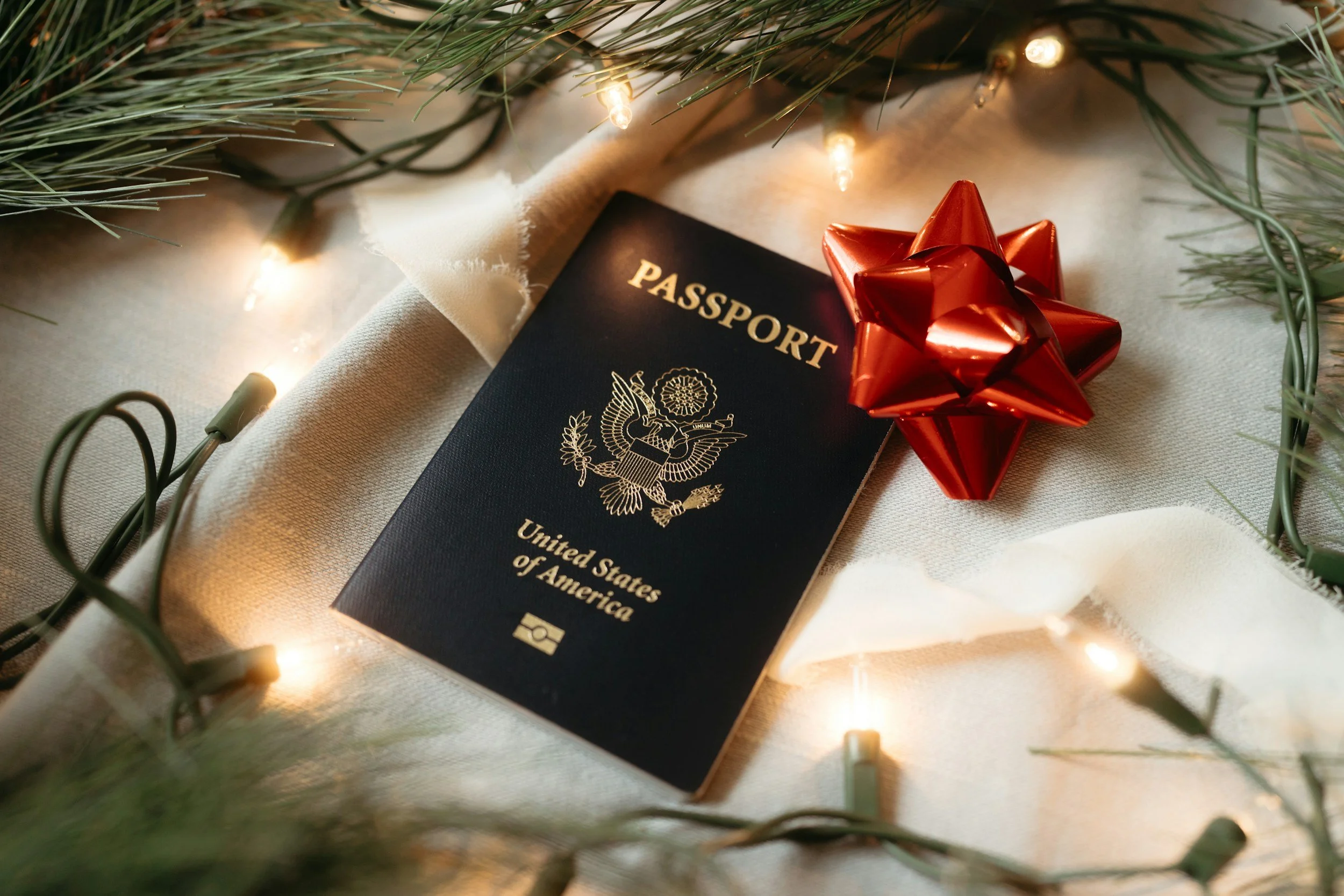
Every year, people fly into the United States carrying gifts from overseas. Whether it’s a special present hand-picked for a loved one or an online bargain bought abroad, most of us assume holiday gifts are easy to bring home and duty-free if they’re ‘small enough.’ That used to be mostly true thanks to the U.S. de minimis rule, which allowed low-value goods to enter without customs duties. But as of 2025, the rules have changed, and the implications stretch from holiday travelers to customs brokers, carriers, e-commerce sellers, and multinational importers.
In this article, we’ll break down how the recent changes to the U.S. de minimis rule affect holiday travelers, customs brokers, carriers, and importers. You’ll learn what used to be duty-free, what’s changed in 2025, and practical steps to stay compliant, avoid unexpected fees, and navigate enforcement risks.
What the De Minimis Rule Was and How It Changed
For decades, U.S. customs law allowed many small-value imports, traditionally valued at $800 or less, to enter the country duty-free under a provision in Section 321 of the Tariff Act of 1930. Travelers bringing back gifts or souvenirs, and logistics companies moving low-value parcels, benefited from faster clearance and lower costs because these shipments did not require full customs entries or duty payments.
But in 2025, the U.S. government significantly restricted and narrowed the practical application of duty-free de minimis treatment. Starting August 29, 2025, most low-value imported merchandise no longer automatically entered the United States duty-free simply because it was under the de minimis threshold. Instead, goods, even if they are worth less than $800, generally face standard customs entry requirements and duty assessments.
This shift reflects concerns by U.S. authorities that the old de minimis exemption was being used to avoid tariff collection and allow unregulated goods into the supply chain. While personal exemptions for things you carry with you still exist, the broader de minimis loophole that simplified and tariff-free entry for many low-value parcels has largely been eliminated.
What This Means for Travelers at the Border
If you’re coming home from vacations or holidays with gifts — electronics from Europe, specialty goods from Asia, or keepsakes from South America — here’s what to expect:
Personal exemptions still exist for items you personally bring with you. Those must be declared to U.S. Customs and Border Protection (CBP) upon arrival, and they may be duty- free up to a certain limit depending on travel circumstances.
But if those same items are shipped separately to you, they no longer automatically clear duty-free under the old $800 de minimis rule. Instead, they enter the U.S. as standard imports and may incur duties and processing requirements.
This means an item you thought was “small enough to be free” may now be subject to duties and fees, even if its value is modest.
In other words, always declare what you bring home, and understand that gifts shipped to you, even if they look small and inexpensive, may face duties.
Enforcement Risks: Seizure and Forfeiture
When travelers or businesses mis-declare goods or fail to comply with customs requirements, enforcement can go beyond simple penalties. CBP has the authority to seize or detain merchandise that is improperly imported, and in more egregious cases, to pursue civil forfeiture of goods that are intentionally misrepresented or concealed to evade the law. If you fail to declare items that should have been declared, you “risk forfeiting the item” and may also face fines or other enforcement actions. This underscores the importance of accurately declaring all goods and knowing current customs requirements, whether you are an individual traveler or a trade professional.
What It Means for Brokers, Carriers, and Importers
For customs brokers and carriers, this change has been one of the biggest shifts in recent years:
No more simplified de minimis entries. Nearly all inbound parcels, even low-value ones, now require formal customs entries in the CBP Automated Commercial Environment (ACE). That includes tariff classification, valuation, duty calculations, and documentation.
Carriers and brokers must handle a higher volume of complex entries, and must collect duties at the point of delivery when possible. This is especially true for international postal traffic, which faces transitional procedures as CBP and foreign postal operators adjust.
E-commerce importers and logistics teams can no longer rely on the de minimis exemption as a cost-neutral way of sending low-value goods into the U.S., duties and clearance costs now need to be built into pricing and fulfillment strategies.
For multinational companies and online sellers, this change affects cost models, duty planning, and supply chain compliance. Items that once moved across borders with minimal oversight now require accurate tariff classification and advance planning.
Real-World Impacts: What Travelers and Traders Should Do
Whether you’re a visitor carrying gifts or a broker clearing hundreds of shipments a day, these practical steps will help you navigate the new landscape:
Plan for duties. when gifts and low-value parcels arrive in the mail. They may no longer bypass customs simply because they are “small.”
Be transparent. Travelers should always accurately declare goods on CBP forms. Brokers should prepare entries with correct HTS classification and value declarations.
Communicate. Keep communication clear with carriers and postal services about entry requirements, duties, and delivery collections.
The holiday season has traditionally been one of joy, but unexpected customs duties can be an unwelcome surprise. By knowing the new de minimis regime and how CBP now treats low-value imports, travelers and trade professionals alike can avoid surprises and stay compliant.
The de minimis exemption used to be a kind of “fast lane” for small-value imports. Today, that lane is closed in most circumstances. Travelers should expect that gifts shipped to or arriving in the U.S. could be assessed duties and processed like any other import. Customs brokers, carriers, and importers must adapt to increased entry requirements, greater documentation, and duty liability for goods that once slipped in duty-free. Staying informed and working with experienced customs and compliance professionals can make all the difference.
If you’re unsure how these changes affect your travel plans or business operations, and would like to stay compliant and avoid costly surprises at the border, Imperial Shield PLLC, a firm focused on regulatory compliance, customs enforcement, and civil forfeiture matters, can assist and provide guidance tailored to your situation.
This article is intended for informational purposes only and does not constitute legal advice. The content herein is not a substitute for obtaining legal advice from a qualified attorney licensed in the appropriate jurisdiction. Viewing or relying upon this information does not create an attorney-client relationship. Readers should consult with legal counsel regarding their individual circumstances before taking any action based on this material.
