
If you operate an online business today, whether you’re selling through Amazon, Shopify, Etsy, or your own website, you already know how much depends on smooth, reliable shipping. But one problem many sellers don’t discover until it’s too late is how easily U.S. Customs and Border Protection (CBP) can detain or even seize a shipment. When that happens, inventory stops moving, customer orders pile up, and your entire business can stall overnight.
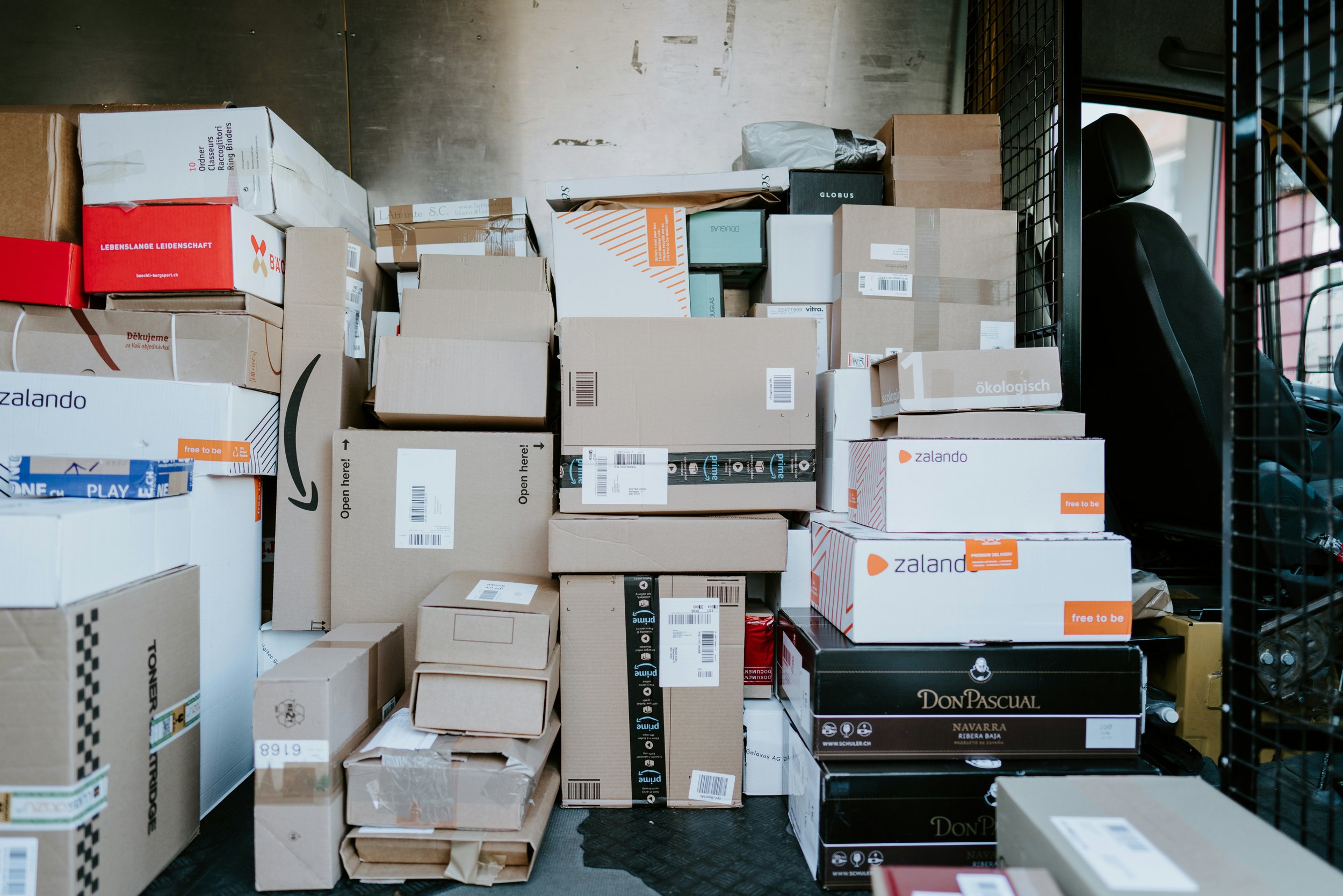
The good news is that seizures rarely come out of nowhere. Most of them happen for predictable reasons, and once you understand what Customs is looking for, you can dramatically reduce your risk.
Why Customs Seizes E-Commerce Shipments
Most seizures start with something relatively simple: the shipment doesn’t look right on paper or in person. Intellectual property issues are the most common cause. A surprising number of sellers find out after the fact that their supplier used packaging that looks a little too close to a brand- name product, included copyrighted characters, or used wording that implies a connection to a well-known brand. Even small details like colors, shapes, and logos can trigger a counterfeit determination.
Another major issue is undervaluation or misclassification. Customs sees thousands of shipments a day, and when a commercial shipment is declared for an unrealistically low price, or described in a vague, overly generic way, it raises red flags. Many foreign suppliers fill out paperwork quickly without understanding U.S. requirements, and the importer—you—ends up responsible.
Some categories of products also bring extra scrutiny. Cosmetics, supplements, electronics, children’s products, and anything involving batteries often require additional documentation. Missing country-of-origin labels, incorrect ingredient lists, or packaging that doesn’t meet U.S. regulations can all result in a detention.
Common Mistakes That Put Importers at Risk
One of the biggest problems we see is that sellers assume their supplier “knows what they’re doing.” Often, they don’t. Suppliers may use whatever HTS code they think is closest, guess on product descriptions, or intentionally undervalue goods to make the shipment look cheaper. Even if the supplier means well, these decisions can backfire instantly. The importer must exercise reasonable care when verifying classification, valuation, and documentation.
Another mistake is not reviewing packaging in advance. Many sellers approve product samples but forget to ask for photos of the final packaging. What arrives may include characters or branding that you didn’t authorize but are still legally responsible for.
Some sellers also overlook documentation requirements. A product that seems harmless like a vitamin cream or a children’s toy, may need safety testing or compliance paperwork before entering the U.S. Without it, Customs may detain your shipment simply because they can’t verify it’s safe.
How to Reduce the Risk of a Seizure
The most effective way to avoid problems is to get ahead of them. Start by taking a closer look at your supplier. Ask where their designs come from, confirm that no branding is being used without permission, and request images of the exact packaging before placing a large order.
You’d be surprised how many issues you can catch by doing this alone. Next, take ownership of your Customs paperwork. Don’t rely on your supplier to pick the right HTS code, write the description, or declare the value. Those decisions directly affect how Customs views your shipment. A clear, accurate commercial invoice goes a long way toward avoiding unnecessary scrutiny.
Finally, make sure your products come with whatever documentation is required. If your goods touch the skin, go in the mouth, connect to a power source, or are intended for children, you may need testing, certificates, or ingredient disclosures. These documents can be the difference between a routine release and a long detention.
What Happens if Customs Detains or Seizes Your Goods
A detention isn’t the end of the world, it’s essentially Customs saying, “We have questions.” You still have a chance to provide documents, clarify descriptions, or correct errors. But once Customs issues a seizure, the situation becomes more serious. You’ll receive a Notice of Seizure and must decide quickly how to respond. Your options might include filing a petition, challenging the seizure, or pursuing administrative remedies. Each option has its own risks and benefits, and missing a deadline can cost you the entire shipment.
This process can be extremely stressful, especially for first-time importers. Having someone who understands the system working on your behalf can make a dramatic difference in whether your goods are released or permanently lost.
If you’re importing through Florida, especially through the Port of Miami, Port Everglades, Tampa, or Miami International Airport, you are shipping through some of the most active and heavily scrutinized ports in the country. These ports process enormous volumes of small e-commerce shipments, and CBP officers here have become very very alert to undervalued goods, counterfeit packaging, and compliance issues.
Once one of your shipments raises concerns, future shipments may face heightened inspections. For e-commerce sellers, that can mean repeated delays, unpredictable costs, and damage to your store’s reputation.
When to Consider Contacting an Attorney
If your shipment has been detained or seized, or if you’re repeatedly running into delays and don’t know why, it’s worth getting professional assistance. An attorney can communicate with Customs on your behalf, help clarify compliance issues, respond to detention requests, file petitions if a seizure occurs, and help put procedures in place to avoid these problems going forward.
Most sellers come to us after a crisis, but the truth is, many seizures can be prevented with the right guidance early on.
This article is intended for informational purposes only and does not constitute legal advice. The content herein is not a substitute for obtaining legal advice from a qualified attorney licensed in the appropriate jurisdiction. Viewing or relying upon this information does not create an attorney-client relationship. Readers should consult with legal counsel regarding their individual circumstances before taking any action based on this material.
